An aggressive implant is an implant type that achieves high primary stability from the moment it is placed in the jawbone, thanks to its sharp, deep, wide-pitch threads. In suitable patients it allows a same-day temporary prosthesis and placement during the extraction session. It suits people with missing teeth, low bone density or a wish for shorter healing.
- "Aggressive" describes the thread geometry, not harm to the bone.
- It provides strong mechanical anchorage in soft D3 and D4 type bone.
- It can be placed in the extraction socket in the same session as the extraction.
- The procedure is performed under local anesthesia with high torque values.
- After osseointegration, a permanent porcelain or zirconia crown is placed.
An aggressive implant is one of the most effective solutions modern dentistry offers for replacing missing teeth and restoring chewing function. While conventional implant treatment may require months of waiting for the bone to heal, aggressive implant technology with high primary stability significantly shortens treatment times.
So what exactly is an aggressive implant, when is it preferred, and how does it differ from conventional methods?
What Is an Aggressive Implant?
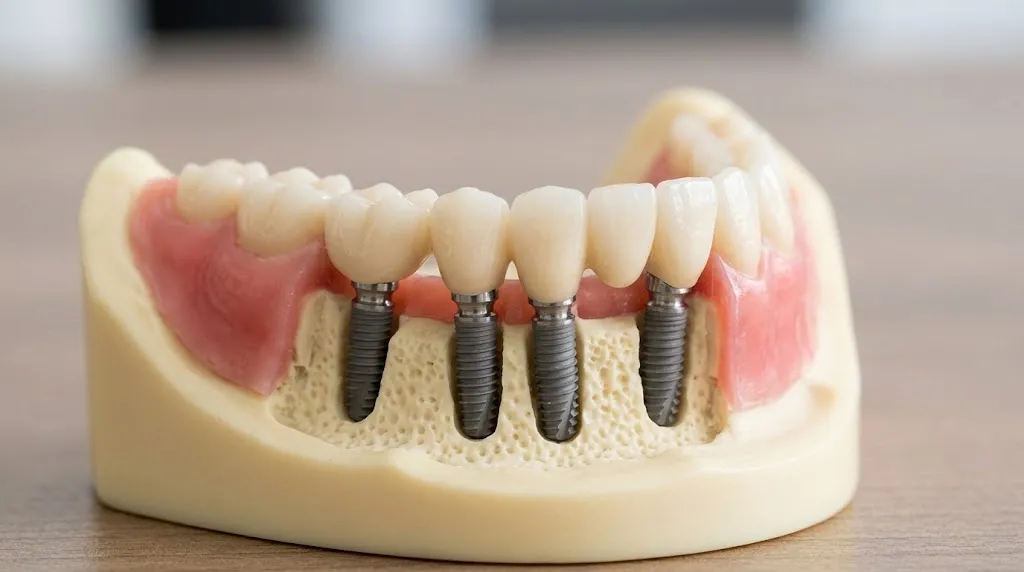
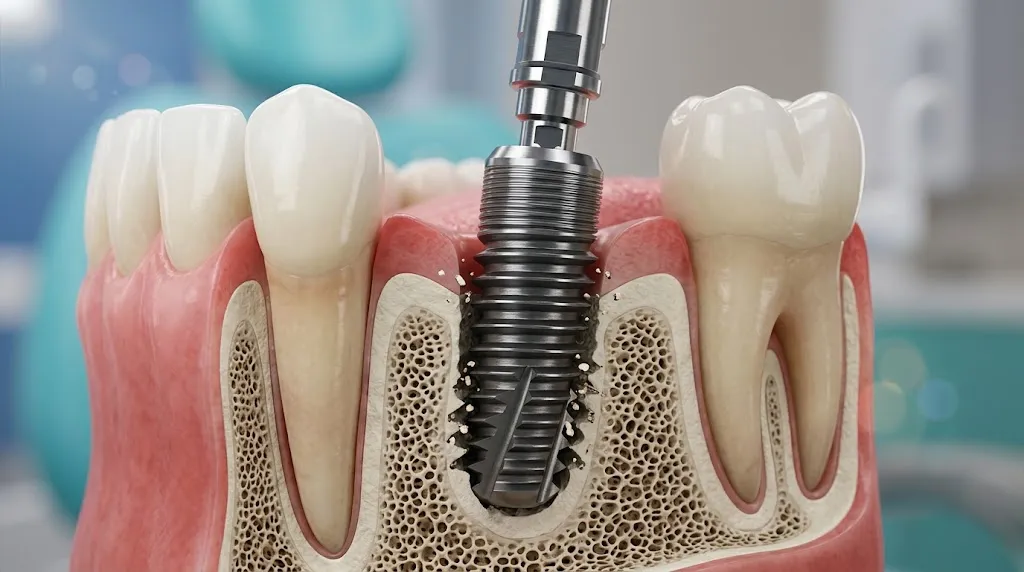
The term “aggressive implant” refers to the special engineering of the implant’s thread design (thread structure and vertical geometry). With sharp, deep, wide-pitch threads, these implants provide excellent anchorage (primary stability) from the very first moment they are placed in the jawbone.
This special thread geometry allows the implant to essentially carve its own path into the bone and lock in place, compressing the bone tissue (condensation) to achieve maximum anchorage.
Key Advantages of Aggressive Implants
-
Fast Healing and Same-Day Teeth (Immediate Loading): Thanks to high primary stability, a temporary prosthesis can be fitted on the day of implant placement in patients with suitable bone.
-
High Anchorage in Soft Bone: It provides strong mechanical anchorage even in areas with lower bone density (D3 and D4 bone types), such as the upper jaw.
-
Immediate Placement After Extraction (Immediate Implant): It is highly suitable for placement in the extraction socket in the same session as the tooth extraction.
-
Minimal Surgical Trauma: Thanks to its bone-compressing feature, in some cases it can be placed with less bone removal.
Differences Between Aggressive and Conventional Implants
| Feature | Aggressive Implant | Conventional Implant |
| Thread Design | Deep, sharp, wide-angle threads | Standard, straight thread structure |
| Primary Stability | Very high (strong anchorage from the first moment) | Moderate / Standard |
| Suitability for Immediate Loading | Very well suited to a same-day temporary prosthesis | Usually requires a 2–6 month waiting period |
| Success in Soft Bone | Superior performance in soft D3 and D4 type bone | Relies more on dense bone tissue |
| Area of Use | Extraction sockets and immediate implantation | Healed bone sites |
Who Is Aggressive Implant Treatment Suitable For?
Aggressive implant treatment is an ideal solution, especially for patients with time constraints who want fast results:
-
Patients with Missing Teeth: In cases of single, multiple or complete tooth loss.
-
Patients with Teeth to Be Extracted: Those who want an implant in the same session as the extraction.
-
Patients with Poor Bone Quality: Patients with low jawbone density.
-
People with a Busy Work or Travel Schedule: Patients who want to keep the healing period to a minimum.
How Does Aggressive Implant Treatment Proceed?
-
Examination and Planning: Bone quality and the angle at which the implant will be placed are determined.
-
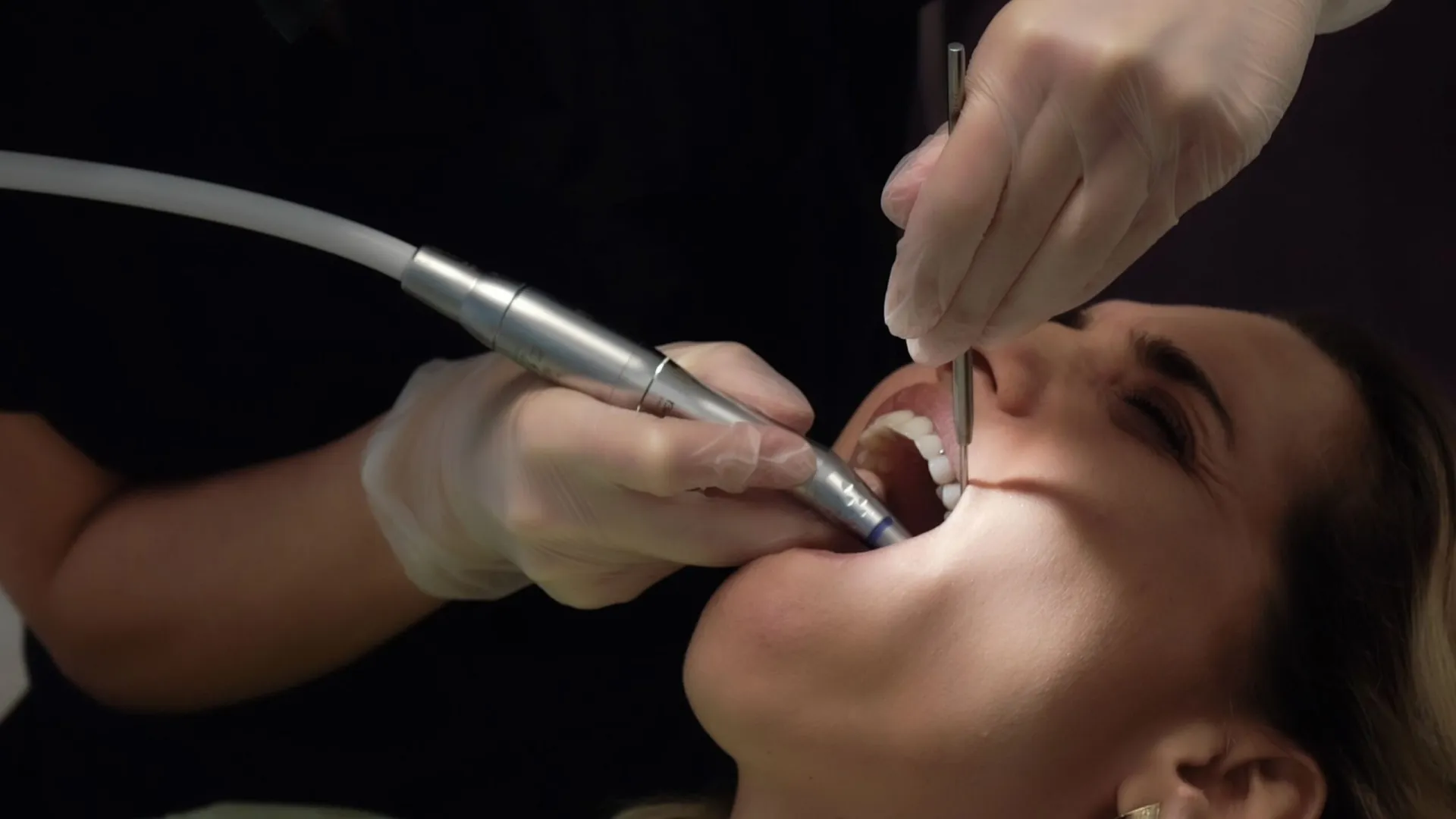
Surgical Procedure: Under local anesthesia, the bone site is prepared and the aggressive implant is placed in the jawbone with high torque values.
-
Same-Day Prosthesis (When Appropriate): Once sufficient mechanical anchorage is achieved, impressions are taken and a temporary prosthesis is fitted the same day or within a few days.
-
Osseointegration (Biological Fusion): Once the implant has fully integrated with the bone, permanent porcelain or zirconia crowns are placed.
Frequently Asked Questions (FAQ)
Is an aggressive implant a painful procedure?
No. Because the procedure is performed under local anesthesia, no pain is felt during the operation. Any mild discomfort afterwards is easily controlled with standard painkillers prescribed by your dentist.
How long does an aggressive implant last?
As long as good oral hygiene is maintained, with regular brushing and flossing, aggressive implants can be used safely for a lifetime. Regular dental check-ups every six months are critical for the implant’s longevity.
Can an aggressive implant be placed immediately after a tooth is extracted?
Yes. One of the greatest advantages of aggressive implants is that they can be placed in the extraction socket in the same session. In cases with no infection and sufficient bone support, immediate placement after extraction is frequently preferred.
Does “aggressive” mean it damages the bone?
No. “Aggressive” is a medical term describing the sharpness of the implant’s thread geometry and its high anchorage capacity. It does not harm the bone; on the contrary, it compresses soft bone tissue to increase holding strength.
Do aggressive implant prices differ from conventional implants?
Implant treatment prices vary depending on the brand used, the implant material, and additional surgical procedures such as bone grafting or sinus lifting. For detailed pricing and a personalized treatment plan, an examination with your dentist is recommended.
For any questions about aggressive implants or to request an appointment, feel free to contact us.