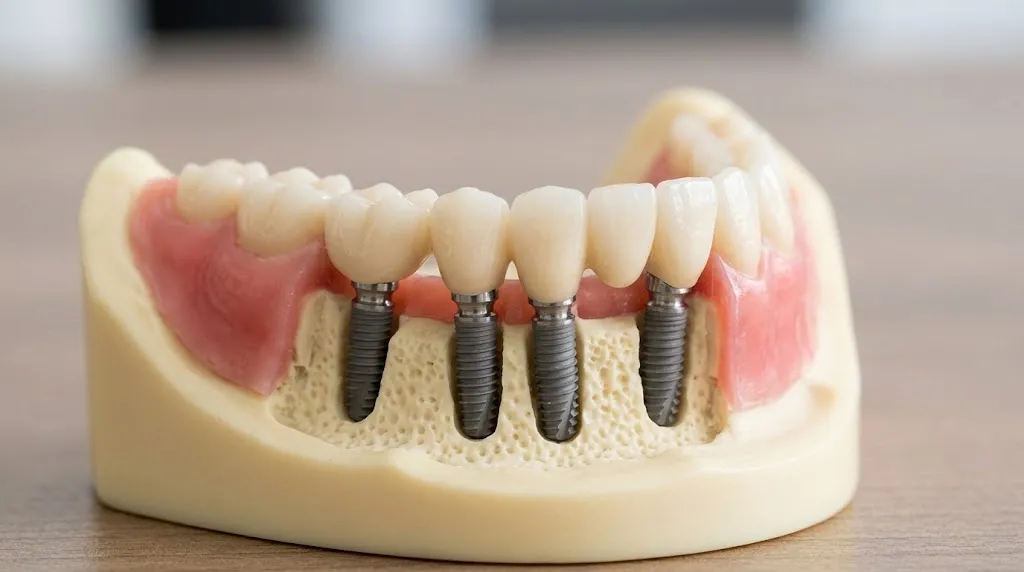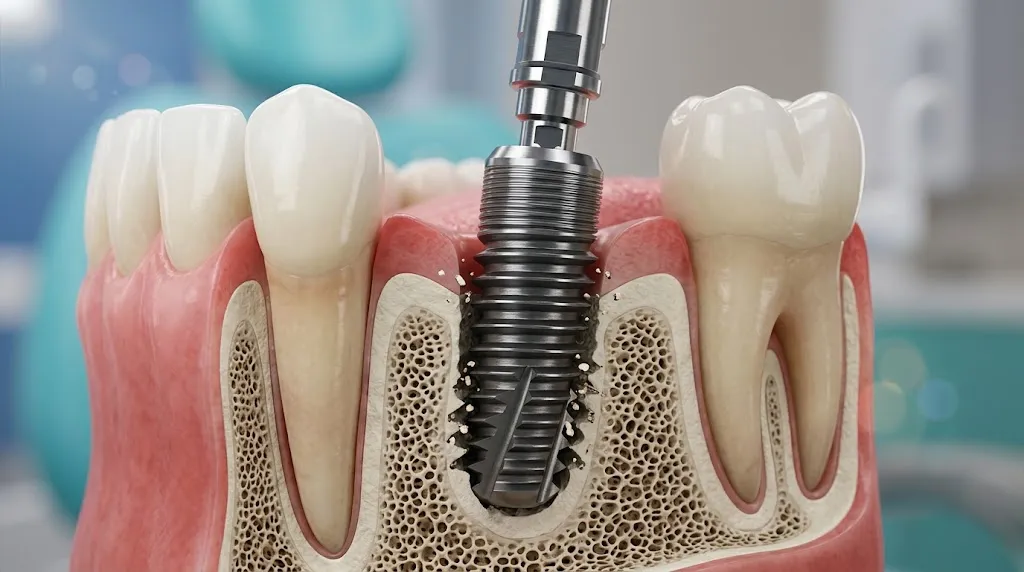
A suction denture is a removable denture for completely toothless jaws that stays in place thanks to the negative pressure it creates against the oral mucosa and palate. Its price depends on the number of jaws treated, the quality of the acrylic or flexible base material, the dentist's experience and city; it is finalized after examination.
- It is also popularly known as a vacuum palate or super palate.
- It requires no surgery and reduces the need for denture adhesive.
- SGK covers the standard acrylic complete denture at contracted institutions under certain rules.
- The price is affected by the number of jaws, base material, dentist experience and city.
- Removing the denture at night and keeping it in a container of water is recommended.
Developed for patients who have lost all or several of their teeth, the suction denture (a tissue-supported full/complete denture) is a modern dental prosthesis solution that aims to eliminate the most common problem with removable dentures: movement and falling out. In completely toothless jaws, it fits the tissues inside the mouth perfectly and creates negative air pressure (a vacuum effect). Suction denture prices vary depending on the quality of the materials used, the jaw structure and the equipment of the clinic where the treatment is carried out.
Commonly performed at oral and dental health clinics across Turkey, this treatment is a comfortable option, especially for patients who cannot have implants due to bone loss or who prefer to avoid surgery.
Suction Denture Prices and What Is a Suction Denture?
A suction denture is a type of removable denture used when there are no teeth left in the jaw. It stays fixed on the palate thanks to the negative pressure it creates with the oral mucosa and palatal tissue. It is also popularly known as a vacuum palate, suction-grip denture or super palate.
What sets it apart from conventional palatal dentures is that its edges are perfectly adapted to the patient's mouth structure, soft tissues and palatal contours using special precision impression techniques.
How Does a Suction Denture Work?
-
Negative Pressure Principle: When the denture is placed on the palate, the air and saliva between the tissue and the denture base are pushed out. Because the denture edges match the mucosa completely, air is prevented from getting back in and a vacuum (suction) effect is created.
-
Retention from the Saliva Layer: Saliva in the mouth acts as a natural adhesive and strengthens the vacuum force.
Advantages
-
Less Movement and Slipping: Compared with conventional dentures, the risk of the denture coming out or slipping while chewing and speaking is much lower.
-
Reduces the Need for Denture Adhesive: Because a natural vacuum effect is achieved, the need for extra adhesive cream is kept to a minimum.
-
No Surgery Required: Unlike implant treatment, there is no surgical operation or stitching involved.
-
Chewing Comfort: It allows you to bite and chew food more comfortably, which also benefits the digestive system.
Does the State Cover Suction Dentures? (SGK Coverage)
One of the most frequently asked questions is whether the state covers suction dentures.
Yes, the Social Security Institution (SGK) covers standard removable full denture (complete denture) treatments under certain rules:
-
State and University Hospitals: If you have your treatment at Oral and Dental Health Centers (ADSM) contracted with SGK, at state hospitals or at the prosthodontics clinics of university hospitals, the standard Acrylic Complete Denture is covered by SGK.
-
Co-payment: A small patient co-payment of about 10% is charged to retirees and about 20% to working citizens.
-
Renewal Period: Under SGK regulations, dentures can be renewed once every 4 years. Renewal requests made before the 4-year period is over are not covered by SGK, except in special cases.
Important Note: When transparent or flexible-base special polymer materials (for example Deflex, Valplast) or special precision-retention materials are chosen, the resulting material difference may be paid by the patient.
Suction Denture Prices
Suction denture prices vary according to the number of jaws treated (a single jaw or both upper and lower jaws), the quality of the acrylic or flexible base material used, the dentist's experience and the city where the clinic is located. The minimum fee schedule of the Turkish Dental Association (TDB) is used as a guide in clinic pricing.
Prices are finalized after examination, based on the condition of the patient's oral tissues.
Frequently Asked Questions
1. Does a suction denture loosen over time?
When the denture is properly fitted to the tissues, it does not fall out. However, if the jawbone naturally shrinks over the years, the vacuum effect may weaken. In such cases, your dentist can reline the denture to restore its suction.
2. Can I eat everything with a suction palate denture?
During the first few weeks of getting used to the treatment, it is recommended to avoid very hard and sticky foods. Once you have adapted to the denture, you can comfortably chew most everyday foods.
3. Should a suction denture be removed at night?
Yes. To let the gums and palatal tissue rest, prevent fungal infections and maintain oral hygiene, it is recommended to remove dentures at night and keep them in a storage container filled with water.
4. Is it normal for a suction denture to rub or cause sore spots?
With any newly fitted removable denture, mild pressure points or sore spots caused by rubbing may appear in the first days. In this case, you should see your dentist without stopping using the denture and have small adjustments made to its edges.
5. Is an implant necessary for a suction denture?
No, a suction denture is used in fully toothless patients by relying on the retention provided by bone and tissue. If your jawbone has shrunk significantly and retention cannot be achieved, your dentist may additionally recommend support from 2 implants (an implant-supported removable denture).
For your questions and appointment requests, you can contact us.