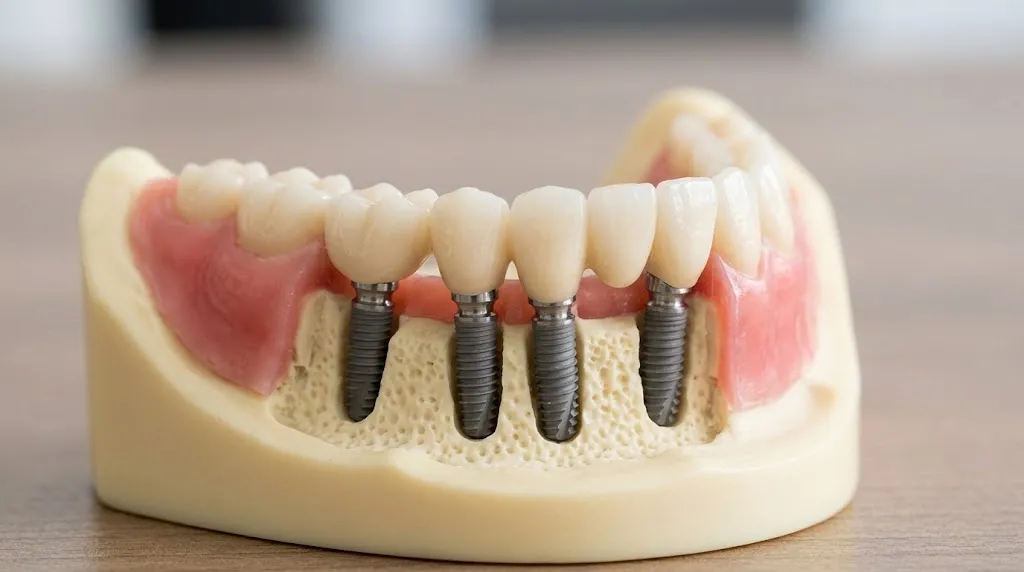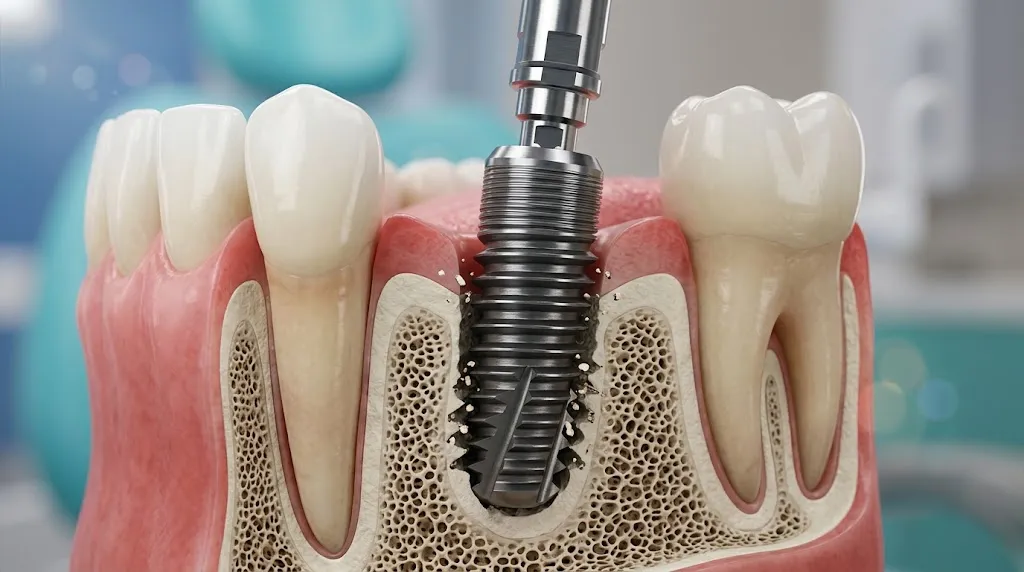
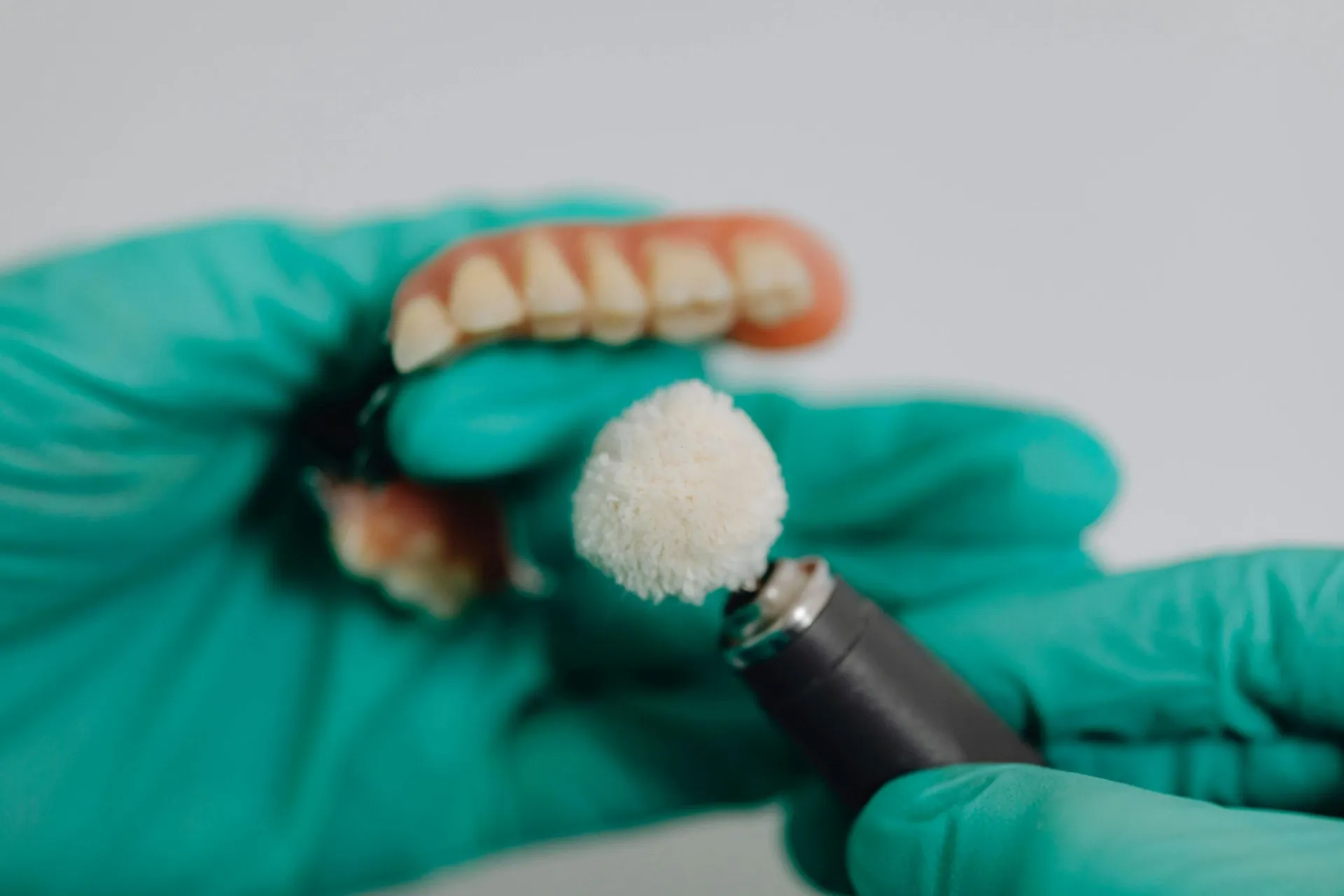
A cast partial denture, popularly known as a "hook denture", is a removable prosthesis used to replace missing teeth. Its basic structure is a cast metal framework, and it holds onto the remaining healthy teeth with metal arms called clasps. Thanks to the metal framework, it is thinner and more durable than conventional acrylic dentures.
- It is used for patients missing too many teeth for a bridge but who are not fully toothless.
- There must be a few healthy teeth in the mouth to hold the denture.
- The thin palate affects taste and speech comfort less.
- For aesthetic concerns, precision-attachment dentures without clasps may be an alternative.
- It should be removed and cleaned after every meal and taken out at bedtime.
A cast partial denture, popularly known as a "hook denture" or "clasp denture", is a removable type of dental prosthesis used to replace missing teeth. What sets it apart from conventional acrylic (full palate) dentures is that its basic structure consists of a cast metal body (framework).
This metal structure makes the denture thinner, more durable and less bulky in the mouth. The denture gains support by holding onto the remaining healthy teeth with metal arms called clasps (hooks).
Frequently Asked Questions About Cast Partial Dentures
1. What is the difference between a cast partial denture and a conventional palate denture?
While conventional dentures are made entirely of pink acrylic (plastic), the main framework of a cast partial denture is cast from durable metal alloys such as chrome-cobalt or chrome-nickel. Thanks to this metal framework, the palate section can be made much thinner. This affects the patient's sense of taste less and improves speaking comfort.
2. Who is a cast partial denture for?
It is used for patients who are missing too many teeth for a fixed prosthesis (bridge) but who are not completely toothless. In other words, there must be a few healthy teeth in the mouth to hold the denture with clasps. If there are no teeth at all, a "complete denture" is used instead of a cast partial denture.
3. Do the clasps cause an aesthetic problem?
The metal clasps on cast partial dentures may be visible when smiling, especially when they hold onto front teeth. For patients with high aesthetic concerns, "precision-attachment (snap-on) dentures" may be an alternative. This system uses hidden slots instead of clasps.
4. What are the advantages of a cast partial denture?
-
Durability: Thanks to the metal framework, the risk of breakage is very low.
-
Comfort: Because the palate area is thin, there is less of a foreign-body sensation in the mouth.
-
Hygiene: It is more resistant to plaque buildup than acrylic.
-
Force Distribution: It distributes chewing force not only to the gums but also to the supporting teeth, providing more balanced chewing.
5. How is it cleaned?
Cast partial dentures should be removed after every meal and cleaned under running water with a soft brush. Taking it out at bedtime is important to let the tissues rest. It is also recommended to soak it in special denture cleaning tablets once a week.
For your questions about cast partial dentures and appointment requests, you can contact us.