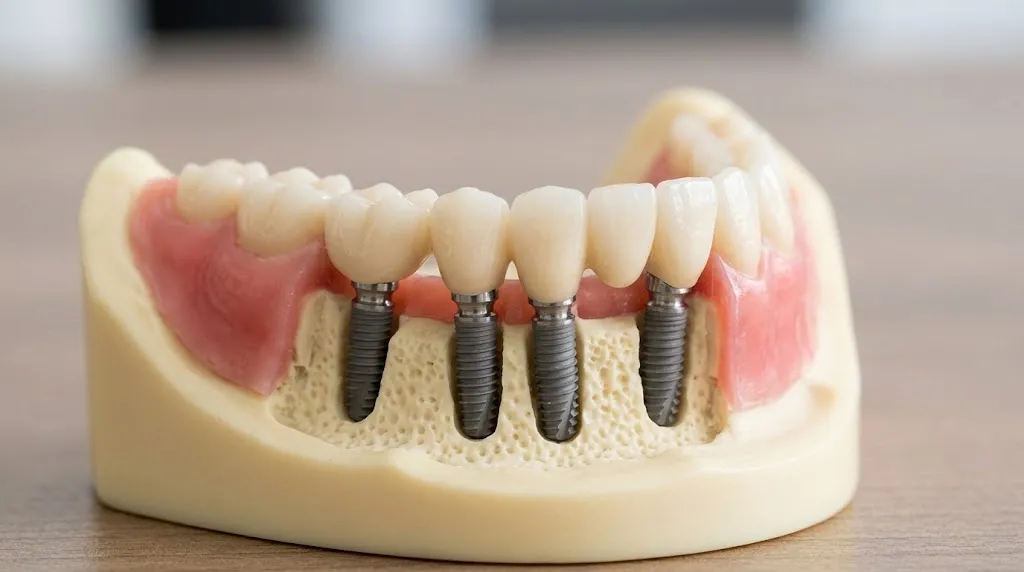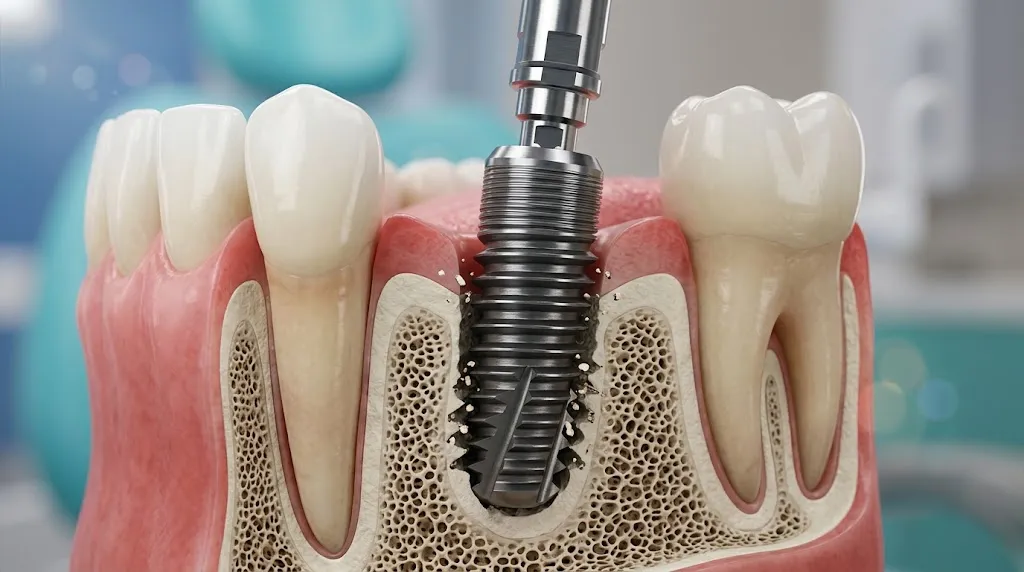
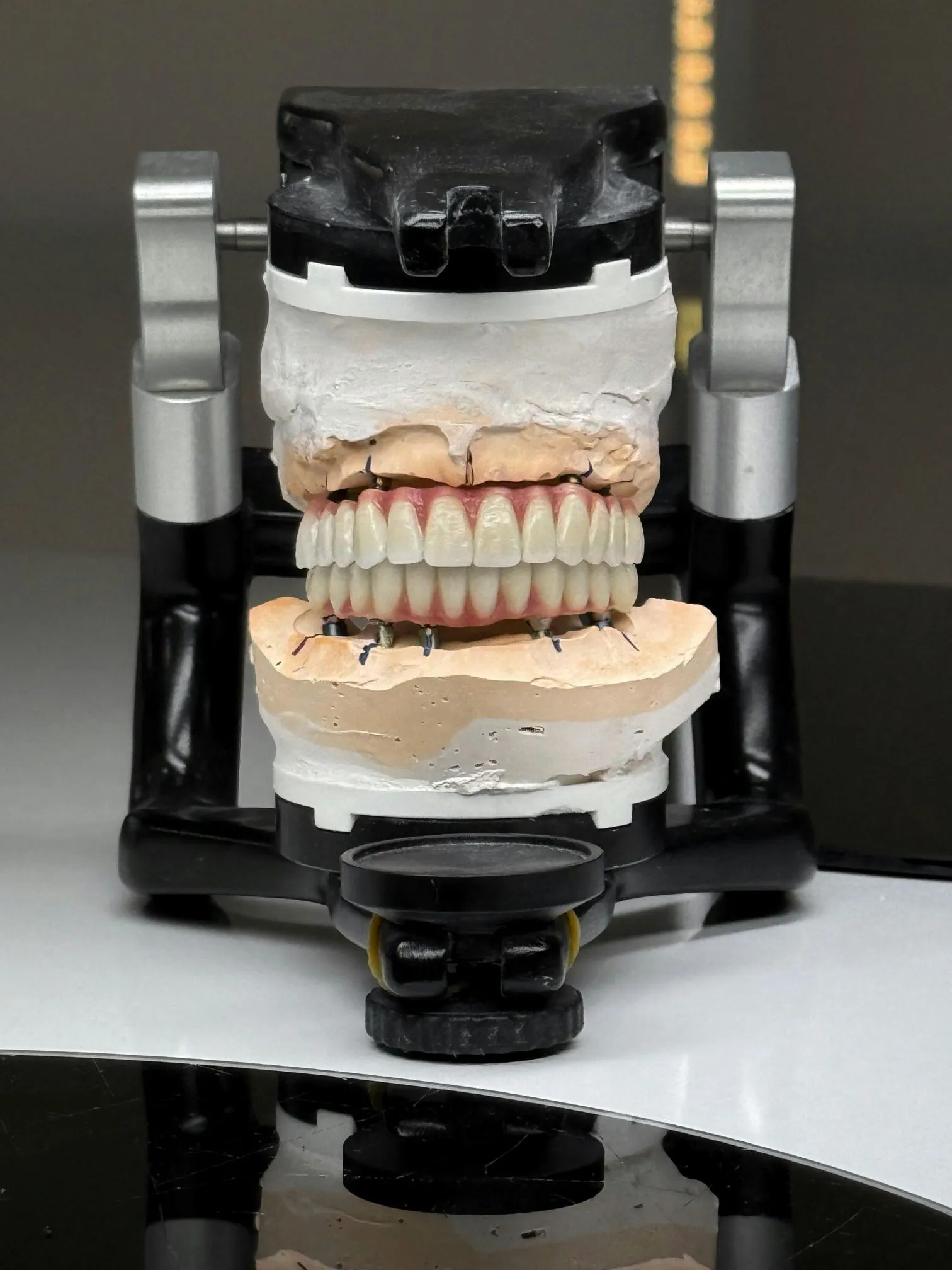
Complete dentures are tissue-supported removable restorations made separately for the upper and lower jaws when all natural teeth have been lost. They sit on the gums and jawbone and are held in place by suction and saliva. Besides improving chewing and speech, they support the lips and cheeks, eliminating the sunken facial appearance caused by tooth loss.
- Preferred for full tooth loss and when implants are not suitable.
- Making them usually takes 4–5 sessions.
- Sore spots, increased saliva and speech difficulty may occur in the first weeks.
- They should be removed at night and cleaned with soapy water instead of toothpaste.
- Renewal or relining is usually recommended every 5 to 8 years.
Complete dentures are tissue-supported removable restorations made separately for the upper and lower jaws when all natural teeth in the mouth have been lost. These dentures sit on the gums and jawbone and are held in the mouth by suction and the help of saliva.
They do more than just replace missing teeth; by supporting the lips and cheeks, they also eliminate the aged, sunken facial appearance caused by tooth loss.
Who Are Complete Dentures For?
Complete dentures become the first choice in the following situations:
-
Full Tooth Loss: When no teeth remain in the upper or lower jaw (or both).
-
When Implants Are Not Suitable: When the bone structure does not allow implant treatment or surgery is risky due to systemic diseases.
-
Looking for an Economical Solution: When a faster and more economical solution than other restorative methods is wanted.
Advantages of Complete Dentures
-
Functional Improvement: Restores basic chewing function, helping you eat more healthily.
-
Improved Speech: Speech problems caused by tooth loss are corrected with the denture.
-
Aesthetic Support: Supports the facial muscles for a younger appearance.
-
Quick Results: Does not require long waiting periods like implant treatment; completed in a few try-ins.
The Treatment Process and Adjustment Period
Making complete dentures usually takes 4–5 sessions. During this process, precise impressions are taken, the vertical dimension (the distance between the upper and lower jaws) is set, and the aesthetic appearance is finalized with try-ins of the teeth.
The first weeks after the denture is fitted are an “adjustment period”. During this time:
-
There may be mild sore spots and redness (corrected by the dentist).
-
A temporary increase in saliva may occur.
-
Although speaking may be difficult at first, this is quickly overcome by practicing reading aloud.
Cleaning and Caring for Complete Dentures
To extend the life of your denture and protect your oral health, follow these rules:
-
Daily Cleaning: After meals, remove your denture and clean it with a soft brush and soapy water. Toothpastes can scratch the denture surface, so they should not be used.
-
Rest at Night: To let the tissues breathe, dentures should be removed at night and kept in clean water.
-
Denture Tablets: You can achieve deeper hygiene by using special cleaning tablets a few times a week.
Frequently Asked Questions
Can I eat everything with complete dentures?
You should start with soft foods and, over time, get used to chewing on both sides. Care is recommended with very sticky or very hard foods.
Do I have to use denture adhesive?
A denture made from good impressions that fits the jawbone does not normally require adhesive. However, it can be used if bone loss is significant or for an extra sense of security.
How often should complete dentures be replaced?
Due to changes in the bone tissue, the fit of the denture may deteriorate. Renewal or relining is usually recommended every 5 to 8 years.
For your questions, you can contact us.