Dental curettage, commonly called deep gum cleaning, removes tartar, bacterial plaque and inflamed tissue from pockets below the gum line using curettes or ultrasonic devices. Under local anesthesia, pocket depth is measured, the area below the gums is cleaned, root surfaces are smoothed and the area is rinsed with antiseptic; it usually takes 1–4 sessions.
- Standard scaling cleans above the gum line; curettage cleans below it.
- It is used for advanced gum disease (periodontitis).
- Mild sensitivity to hot and cold in the first few days is normal.
- Do not eat until the anesthesia wears off, and do not smoke for at least 48 hours.
- Skipping it can lead to gum recession, bone loss and tooth loss.
What Is Curettage?
When you visit a dentist with complaints such as bleeding gums, bad breath or receding gums, you will often hear the term “curettage”. Also commonly known as deep gum cleaning, curettage is one of the most effective periodontal treatments for protecting the teeth and jawbone.
Curettage is a medical term of French origin that generally means “cleaning by scraping”. In dentistry, curettage is the removal of tartar (calculus), bacterial plaque and infected, inflamed tissue that has built up below the gum line (in the gum pocket) by scraping it away with special hand instruments (curettes) or ultrasonic devices.
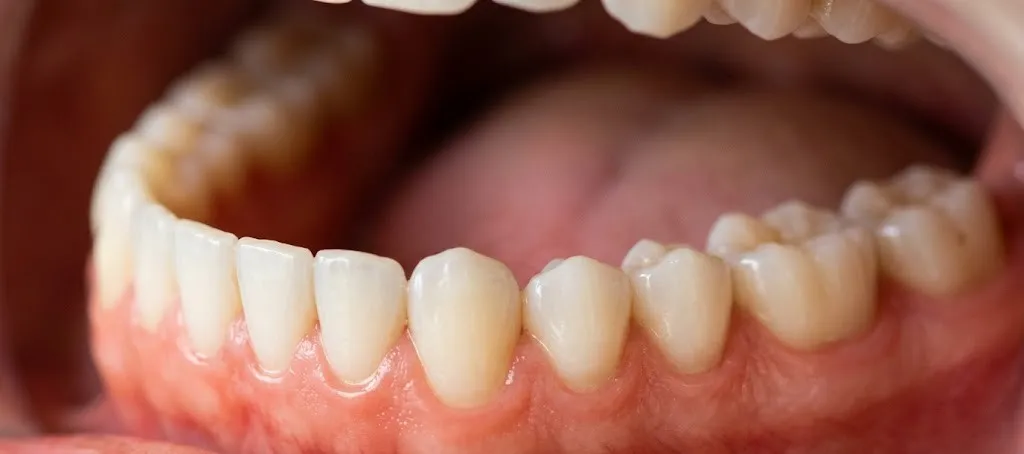
As gum inflammation (gingivitis) progresses, spaces called periodontal pockets form between the tooth and the gum. While standard scaling only cleans plaque from the tooth surface, dental curettage reaches deep into the gums, smooths the root surface and removes the inflamed tissue.
The Difference Between Dental Curettage and Standard Scaling
Standard cleaning and curettage are often confused in dentistry. The main differences between the two procedures are as follows:
| Feature | Standard Scaling (Tartar Removal) | Dental Curettage (Deep Cleaning) |
| Treatment Area | Above the gum line (visible surfaces) | Below the gum line (gum pockets and root surface) |
| Need for Anesthesia | Usually not needed | Performed under local anesthesia |
| Instruments Used | Cavitron (ultrasonic) devices | Special curette hand instruments and laser/ultrasonic devices |
| Treatment Goal | Removing surface plaque and tartar | Scraping away inflamed tissue and smoothing the root surface |
| Stage of Disease | Early-stage inflammation (gingivitis) | Advanced gum disease (periodontitis) |
How Is Dental Curettage Performed? Step-by-Step Treatment Process
Dental curettage is a painless procedure performed under local anesthesia with the patient's comfort in mind. It is usually completed in 1 to 4 sessions, depending on the condition of the jaw.
1.1. Examination and Anesthesia:10–15 minutes.
The dentist or periodontist measures the depth of the gum pockets with an instrument called a probe. The treatment area is completely numbed with local anesthesia, so the patient feels no pain or discomfort.
2.2. Subgingival Cleaning (Scraping Below the Gums):20–30 minutes.Specially designed fine-tipped curettes or ultrasonic devices are used to reach inside the gum pocket. Hardened tartar and bacterial deposits stuck to the root surface are scraped away.
3.3. Root Planing:10–15 minutes.After scraping, the root surface is made smooth. A smooth root surface makes it harder for bacteria to reattach and allows the gum to reattach to the tooth (as swelling goes down).
4.4. Rinsing and Antiseptic Application:5 minutes.The opened gum pockets are rinsed with special antiseptic solutions to remove remaining microorganisms and tissue debris from the area.
Aftercare Following Dental Curettage
For fast and trouble-free healing after the procedure, pay attention to the following:
-
Hot and Cold Sensitivity: Mild sensitivity to hot and cold and slight aching are normal for the first few days. You can use the desensitizing toothpaste recommended by your dentist.
-
Eating: Do not eat until the anesthesia wears off (about 2–3 hours). Avoid very hot, spicy or hard foods for the first 24 hours.
-
Oral Care: On the day of the procedure, brush gently and use the salt water rinse or chlorhexidine mouthwash prescribed by your dentist.
-
Smoking: Smoking seriously impairs blood flow to the gum tissue and slows healing. Do not smoke for at least 48 hours after treatment.
Important Note: Not having dental curettage when needed can lead to progressive gum recession, loss of jawbone and, eventually, healthy teeth becoming loose and falling out (periodontitis).
Don't forget to book an appointment with your dentist for regular tartar cleaning.