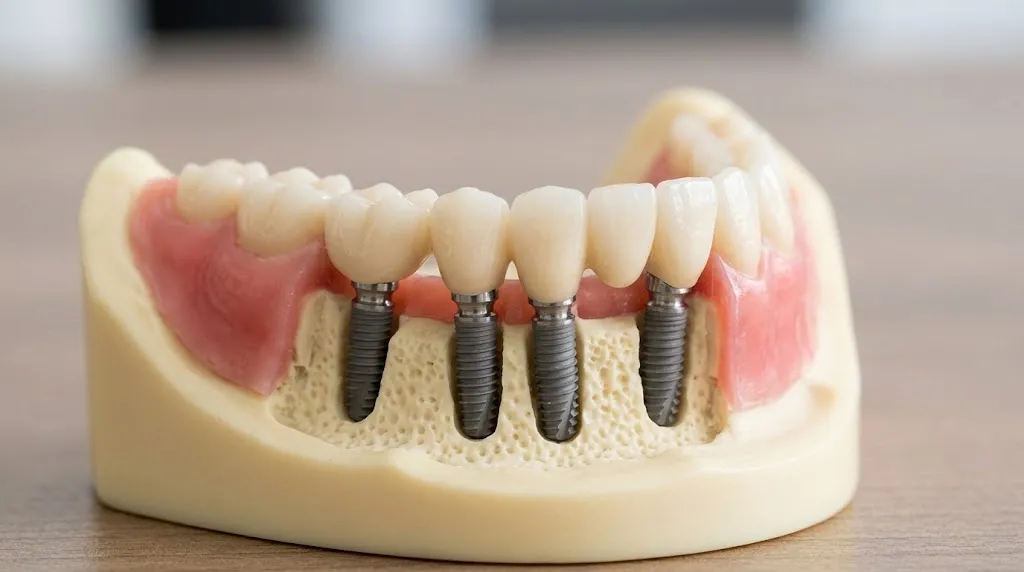
Implant or bridge depends on your bone structure, general health and budget. An implant is a titanium screw placed in the jawbone; it leaves neighboring teeth untouched and prevents bone loss. A bridge is a fixed prosthesis supported by reshaped neighboring teeth; it needs no surgery and takes 1–2 weeks, but may need replacing after 10–15 years.
- It may take 3–6 months for an implant to fuse with the bone.
- The initial cost of an implant is higher than that of a bridge.
- The jawbone under a bridge may recede over time.
- For a single missing tooth, an implant stands out because it protects neighboring teeth.
- A bridge may be preferred when bone is insufficient or surgery is not possible.
When it comes to replacing missing teeth, the question people wonder about and hesitate over most is undoubtedly "dental implant or bridge?" Although both methods give successful results aesthetically and functionally, they differ in how they are applied, their cost and their longevity.
In this guide, we have prepared a detailed comparison to help you make the right decision for your oral health.
What Is a Dental Implant?
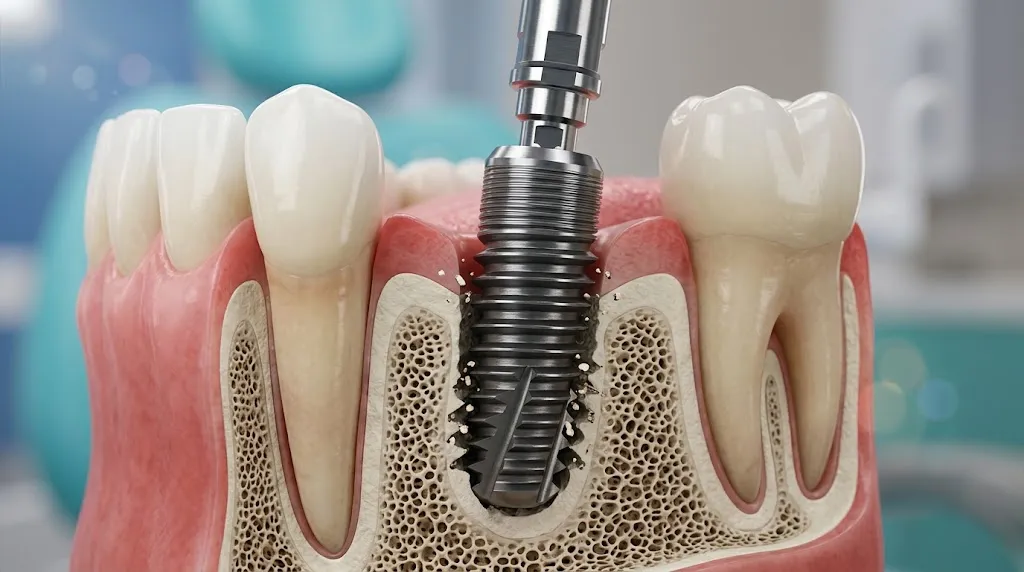
A dental implant is a titanium screw placed in the jawbone to replace a missing tooth. This screw acts as a natural tooth root and is given the form of a real tooth with a porcelain crown placed on top.
Advantages of Implants
- Does Not Harm Neighboring Teeth: Implant treatment does not require cutting down or reshaping the healthy teeth next to the gap.
- Long-Lasting: With good oral care, implants can last a lifetime.
- Prevents Bone Loss: Because it is placed in the jawbone, it stimulates the bone tissue and prevents the bone loss caused by missing teeth.
- Natural Feel and Look: Because biting and chewing forces are transmitted directly to the bone, it offers the most natural tooth feel.
Disadvantages of Implants
- Surgical Procedure: Placement requires a minor surgical operation.
- Healing Time: It may be necessary to wait 3 to 6 months for the implant to fuse with the bone (osseointegration).
- Cost: The initial cost is higher than that of bridge treatment.
What Is a Dental Bridge?
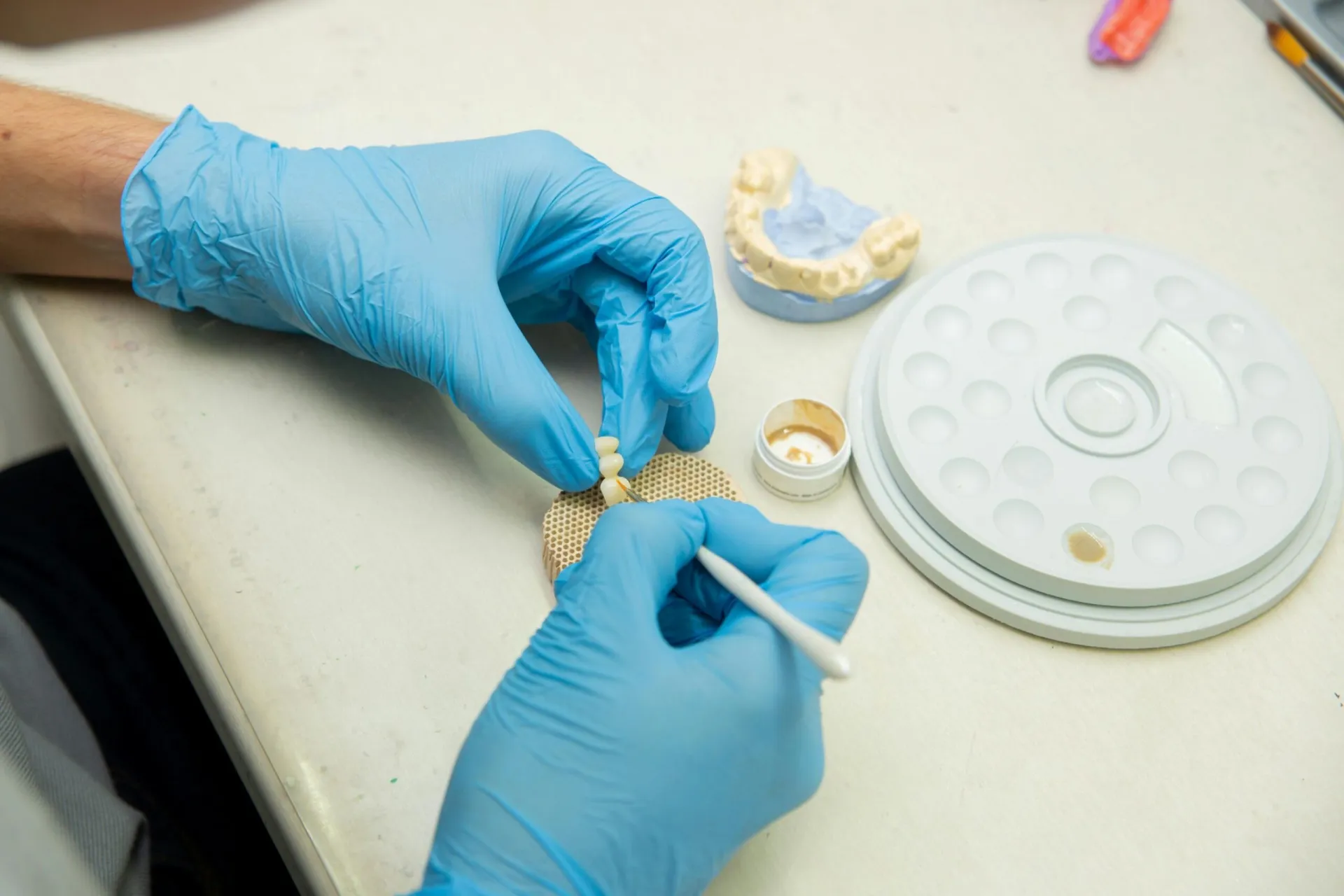
A dental bridge is a type of prosthesis made to close the gap of one or more missing teeth by taking support from the neighboring healthy teeth. The teeth on both sides of the gap are reshaped to act as "abutments", and the bridge is cemented onto these teeth.
Advantages of Bridges
- Quick Results: It is usually completed within 1–2 weeks (in a few sessions).
- Economical: It is a more affordable option than implant treatment.
- No Surgery Required: Ideal for patients with insufficient bone or those who do not want surgery.
Disadvantages of Bridges
- Intervention on Healthy Teeth: The healthy teeth next to the gap need to be reshaped to hold the bridge.
- Bone Loss: Because a bridge has no tooth root, the jawbone beneath it may recede over time.
- Shorter Lifespan: It does not last as long as an implant; it usually needs replacing after 10–15 years.
Which Should Be Chosen in Which Situation?
When Should an Implant Be Chosen?
If your general health is suitable for surgery, your jawbone density is sufficient and you are looking for a long-term, lifelong solution, a dental implant is the best option. Especially for a single missing tooth, the implant is the gold standard for protecting neighboring teeth.
When Should a Bridge Be Chosen?
If you want a quick aesthetic result, your budget is limited or you cannot have surgery due to systemic diseases, a dental bridge can be a sensible choice. Also, if the teeth next to the gap already have large fillings or crowns, using them as bridge abutments can become an advantage.
Conclusion
The definitive answer to dental implant or bridge is determined by your dentist's detailed examination and X-ray analysis. Modern dentistry recommends considering the implant option first, because it preserves bone tissue and does not involve other teeth. However, every case is unique; your bone structure, general health and budget are the most important factors in the decision.
Remember: Treating missing teeth is not only an aesthetic concern but also critical for digestive health and preserving your facial features. Do not postpone your treatment.
Not every treatment is suitable for every patient. So that we can assess your situation and answer your questions, you can contact us.