
People with diabetes can get dental implants as long as their condition is under control. Implant success shows no significant difference between diabetic patients with blood sugar within normal limits and healthy individuals. Before surgery, dentists review the HbA1c test, which reflects average blood sugar over 3 months; below 7% is generally considered safe.
- Uncontrolled diabetes can delay healing and increase infection risk.
- High values can negatively affect the implant's integration with bone.
- The dentist obtains approval from an internal medicine or endocrinology specialist before treatment.
- Prophylactic antibiotics may be given if needed.
- Extra attention to oral hygiene is needed after surgery.
The short answer: Yes, but under certain conditions.
The most basic requirement for a person with diabetes to get an implant is that the condition is under control. There is no significant difference in implant success rates between diabetic patients whose blood sugar (glucose) levels stay within normal limits and healthy individuals.
Criteria for Treatment: HbA1c Level
Before surgery, dentists review the HbA1c test, which shows the patient's average blood sugar over the last 3 months. Generally:
-
Patients with an HbA1c value generally below 7% are considered a safe group for implant treatment.
-
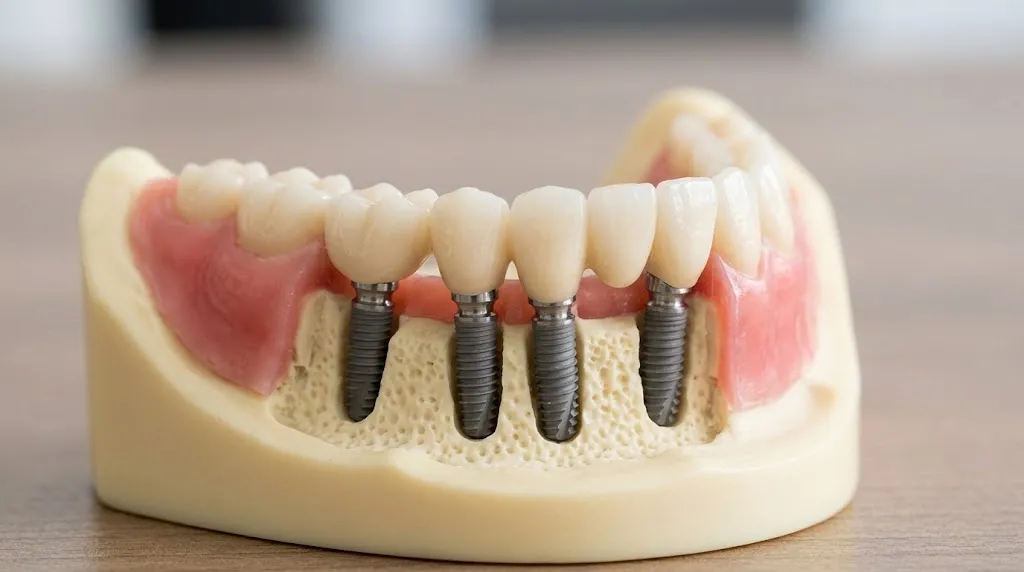
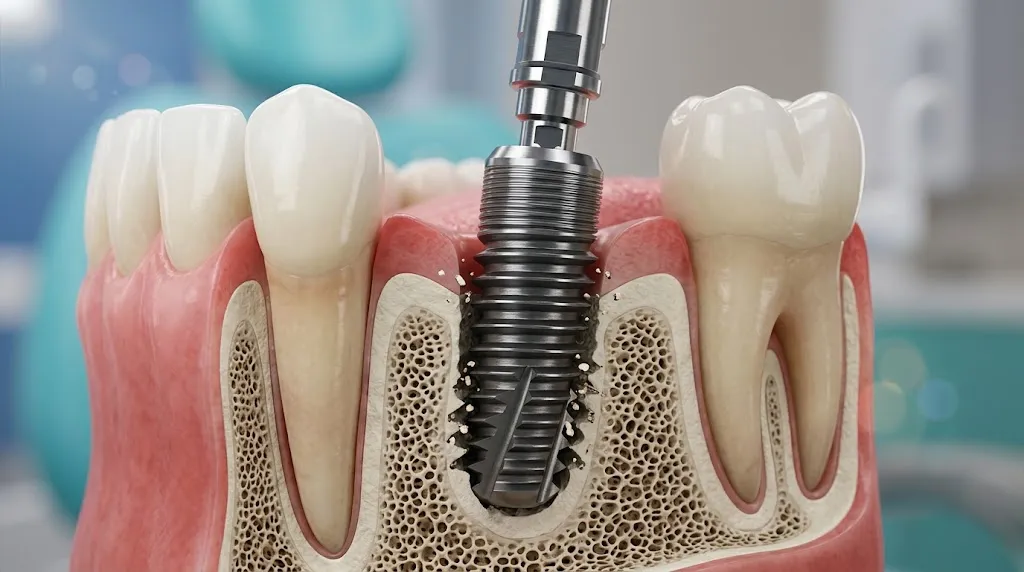
If the values are high, the implant's process of fusing with the bone (osseointegration) may be negatively affected.
How Does Diabetes Affect Implants?
When diabetes is not under control, implant treatment may carry the following risks:
-
Slow Healing: Diabetes can affect blood circulation and delay tissue healing after surgery.
-
Risk of Infection: High sugar levels reduce the body's ability to fight bacteria, increasing the risk of inflammation around the implant (peri-implantitis).
-
Problems with Bone Integration: The process of the implant anchoring firmly in the jawbone may be more delicate in diabetic individuals.
How Does the Treatment Process Work for People with Diabetes?
-
Medical Consultation: Before treatment, your dentist contacts the internal medicine or endocrinology specialist who follows you to obtain approval regarding your general health.
-
Antibiotic Support: To counter the risk of infection, prophylactic antibiotic treatment may be given before or after surgery.
-
Special Care: After surgery, you will be asked to pay more attention than ever to oral hygiene and to use the special mouthwashes your dentist recommends.
Conclusion and Important Warning
Having diabetes does not prevent you from achieving the smile of your dreams. With proper planning and disciplined follow-up, implant treatment delivers very successful results.
Important Note: The information in this article is for informational purposes only. Each patient's general health and diabetes level are different. To find out whether you are suitable for implant treatment, you should always be examined by a dentist and consult your specialist doctor about your current health.
For questions about implant treatment, you can read our related article, and for appointment requests and further information, you can contact us.