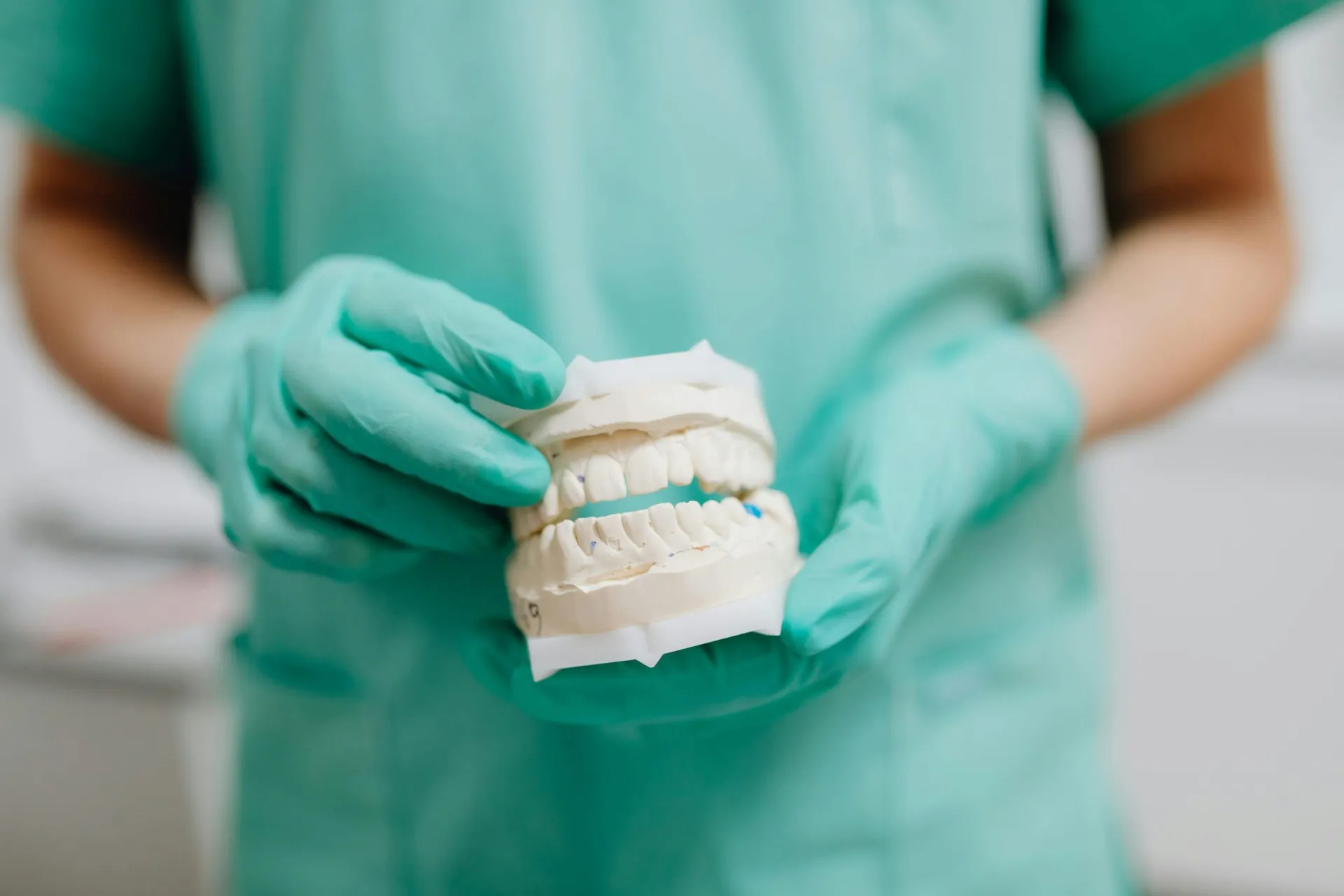
Dental prosthesis treatment replaces lost natural teeth with artificial ones to restore chewing, speech and appearance. There are two groups: fixed prostheses such as crowns and bridges, secured by the dentist, and full or partial removable dentures that the patient can take out and clean. Prostheses also help preserve the jaw and soft tissues.
- Fixed prostheses can last 10–15 years, removable dentures 5–10 years.
- The adjustment period usually takes 2–4 weeks; soft foods are recommended.
- Fixed prostheses should be brushed at least twice a day.
- Removable dentures should be taken out and rinsed after every meal.
- The process consists of examination, impressions, try-ins and final adjustment.
What Is Dental Prosthesis Treatment? Missing teeth are not just an aesthetic problem; they bring many health problems, from impaired chewing to speech difficulties. Today, modern dentistry offers lasting and natural solutions to replace missing teeth with dental prosthesis treatment.
So what exactly is a dental prosthesis, and which option suits you best? In this guide prepared by OptimaDent, you will find all the details you are curious about regarding prosthetic treatment.
What Is a Dental Prosthesis?
A dental prosthesis is an artificial tooth or set of teeth that replaces natural teeth lost for various reasons, aiming to restore a person's chewing and speech functions and their appearance. Prostheses not only replace missing teeth but also help preserve the soft tissues in the mouth and the jaw structure.
What Types of Dental Prostheses Are There?
Prostheses are divided into two main categories according to the number of missing teeth and the patient's needs:
1. Fixed Prostheses
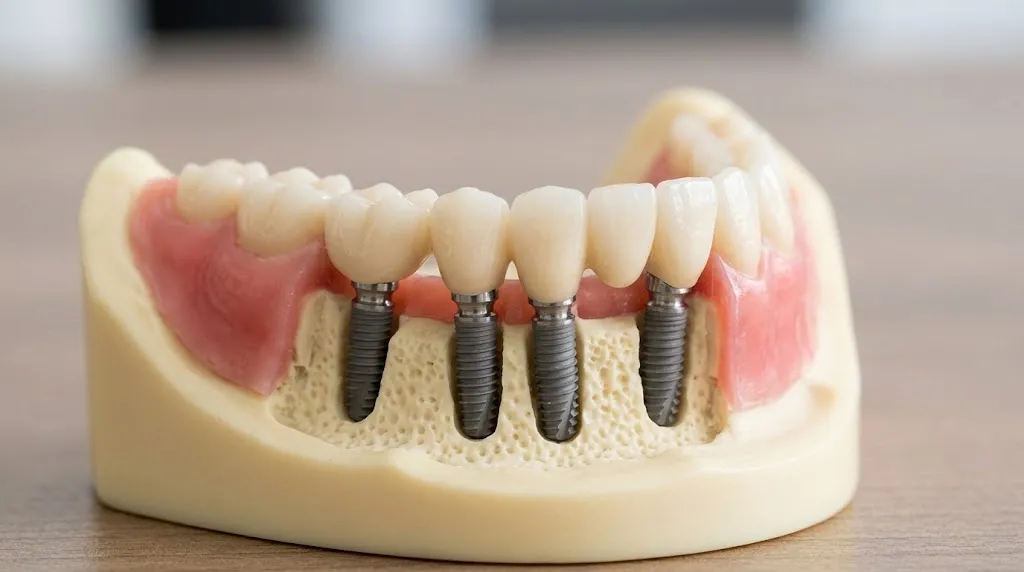
These are restorations that cannot be removed by the patient and are fixed to a tooth or implant by the dentist.
-
Crown (Cap): A “cap”-like cover placed over a single damaged tooth. Made from materials such as zirconia or porcelain.
-
Bridge: Used to replace one or more missing teeth, supported by the neighboring teeth.
2. Removable Prostheses
Commonly known as “false teeth”, these are dentures the patient can take out and clean whenever they like.
-
Full (Complete) Dentures: Plate dentures used when no teeth remain in the mouth.
-
Partial Dentures: Used when some natural teeth remain but there is not enough support for a fixed prosthesis.
Advantages of Dental Prosthesis Treatment
-
Aesthetic Appearance: Materials matched to natural tooth color (zirconia, etc.) give you a confident smile.
-
Chewing Function: Digestion begins in the mouth. Prostheses help grind food properly.
-
Improved Speech: They correct pronunciation problems caused by missing teeth.
-
Preserving Facial Contours: By supporting cheeks and lips that have sunk due to missing teeth, they give a more youthful appearance.
Frequently Asked Questions About Dental Prostheses (FAQ)
Below are the questions our patients most often ask about the prosthetic process, along with their answers:
Question 1: How long do dental prostheses last? Answer: The lifespan of a prosthesis depends on the material used and oral care. With good oral hygiene and regular dental check-ups, fixed prostheses can be used comfortably for 10–15 years and removable dentures for 5–10 years.
Question 2: Will I have difficulty eating after my prosthesis is fitted? Answer: Soft foods should be preferred during the adjustment period (usually 2–4 weeks). After this period, prostheses function like natural teeth and let you eat all kinds of food comfortably.
Question 3: How should dental prostheses be cleaned? Answer: Fixed prostheses should be brushed at least twice a day and flossed, just like natural teeth. Removable dentures should be taken out and rinsed after every meal and disinfected with special cleaning tablets.
Question 4: Which is better, a zirconia prosthesis or a metal-supported prosthesis? Answer: Thanks to its translucency and gum compatibility, zirconia offers a much more aesthetic and natural look. While metal support may be preferred for durability in back teeth, zirconia is the gold standard for the front of the mouth and aesthetic work.
The Prosthesis Process at OptimaDent
At our clinic in Üsküdar, we use digital dentistry to design the most suitable prosthesis for you. Our treatment process is carefully completed through a detailed examination, impressions, try-in stages and final adjustment.
You don't have to live with missing teeth. To find out about our personalized prosthetic solutions and book an appointment, you can contact us.
This content is for informational purposes. For the most accurate diagnosis and treatment plan, it is recommended that you be examined by a dentist.
For questions and appointments, you can contact us.