A well-planned implant made with quality materials and properly maintained can last 20-30 years, or even a lifetime. While the titanium screw that fuses with the bone can function for life, the zirconia or porcelain crown on top may need replacing within 10-15 years. Longevity varies with oral hygiene, the dentist's experience, bone quality, smoking and overall health.
- Peri-implantitis is the most common cause of implant loss.
- Smoking reduces the success of the implant's integration with the bone.
- Uncontrolled diabetes and osteoporosis can affect durability.
- Interdental brushes, floss and check-ups every 6 months extend implant life.
- For people who clench, a night guard reduces pressure on the implant.
How Long Do Dental Implants Last? 5 Golden Rules for Extending the Life of Your Implant
As the most natural, aesthetic and functional solution for missing teeth, oral and dental surgery procedures are now the first choice of many patients. However, the first question that comes to mind for almost every patient planning this investment is: How long do implants last?
To give a short and clear answer: with a well-planned implant treatment, quality materials and a regular care routine, implants can last 20-30 years, or even a lifetime. However, it is important to remember that this period varies from person to person and that treatment success does not depend on a single factor.
In this guide, we explain the critical factors that determine implant lifespan, the differences between the screw-retained base and the crown on top, and how you can extend the life of your implant.
The Important Difference Between the Screw Base and the Crown
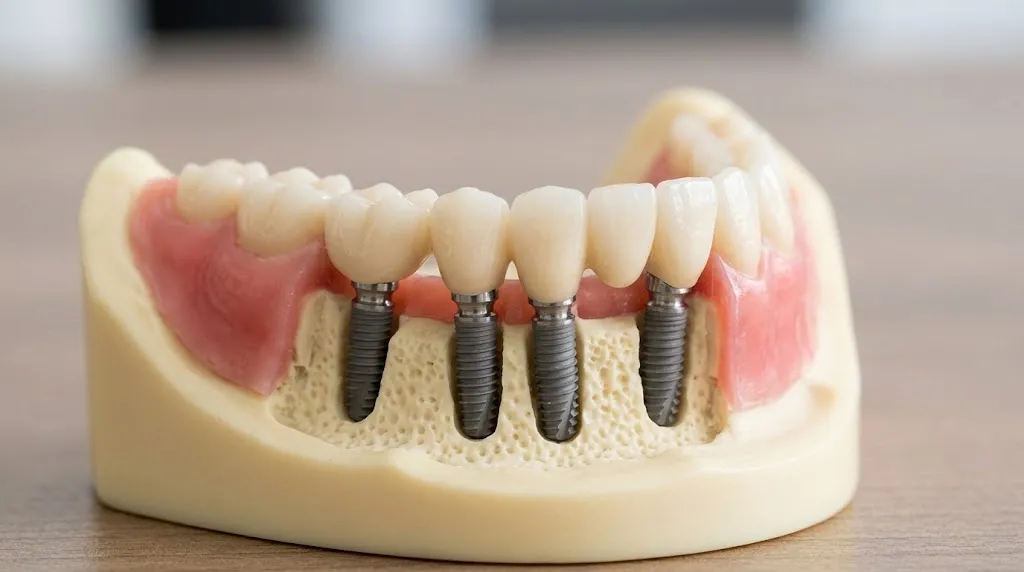
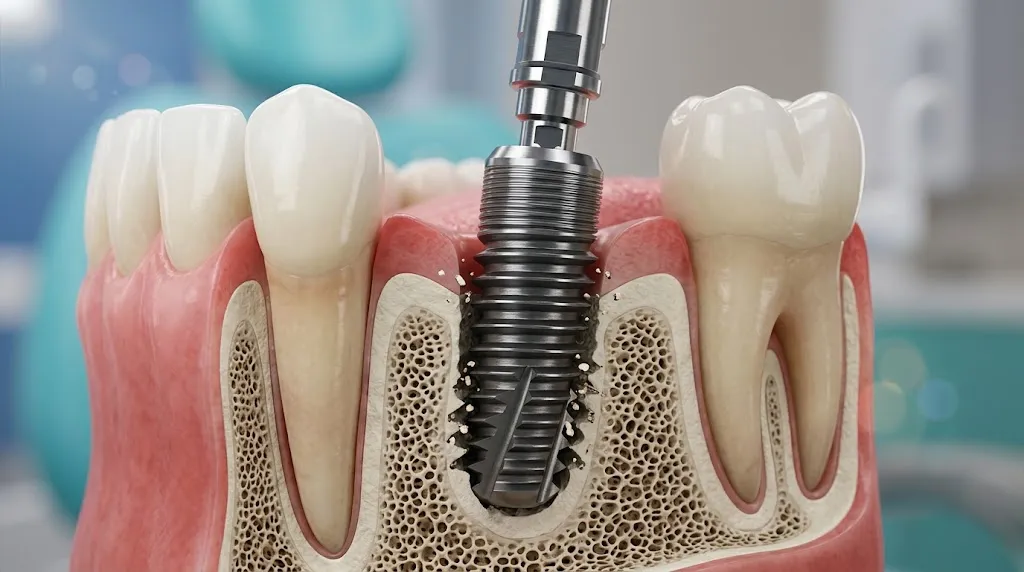
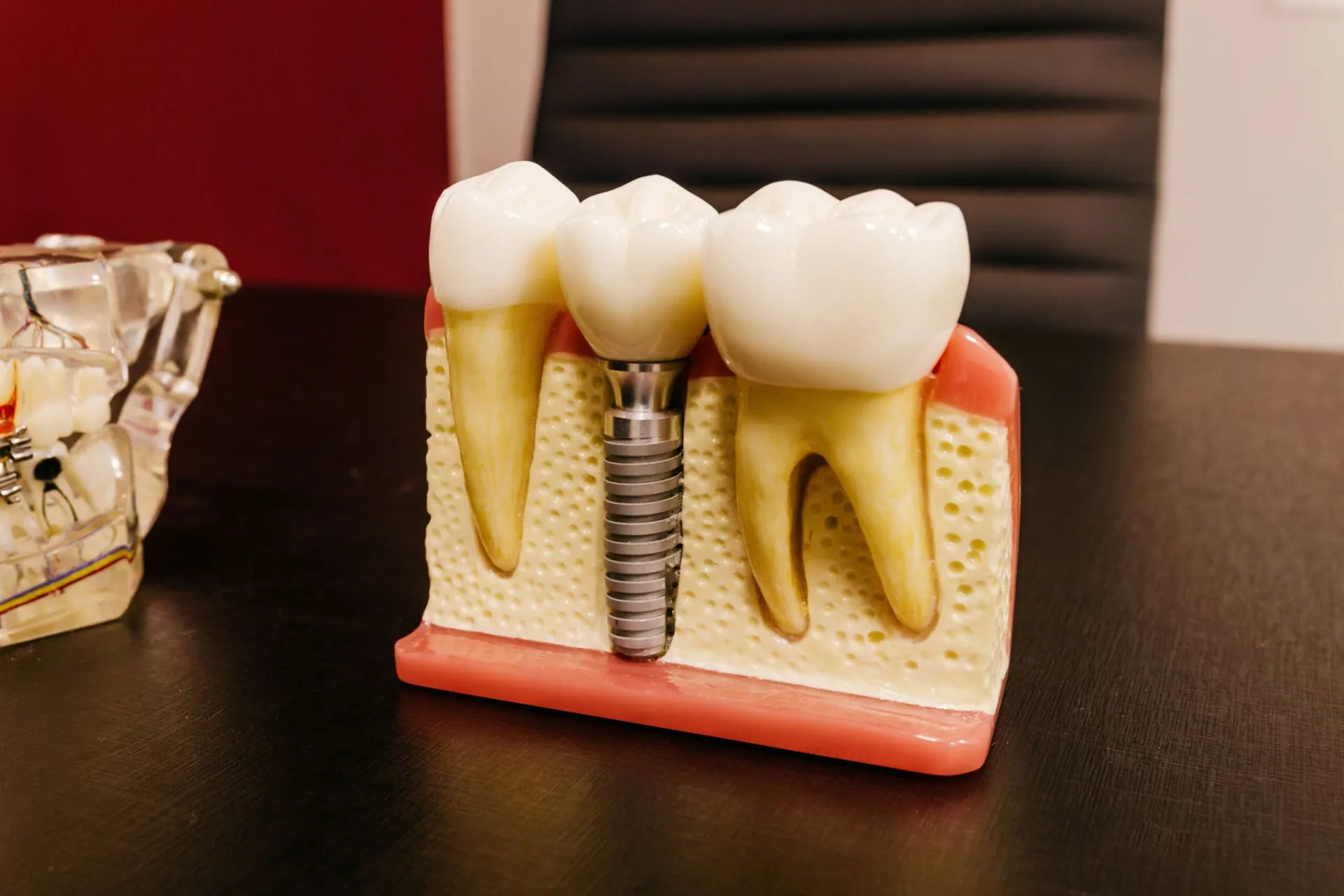
When examining the question "How long do implants last?", it is necessary to distinguish between the titanium screw surgically placed in the jawbone and the zirconia or porcelain crown made on top of it.
-
Titanium Implant Screw (Base): The titanium base, which fully integrates with the jawbone (osseointegration), becomes part of the bone tissue and can continue to function for life.
-
Superstructure (Zirconia / Porcelain Crown): Depending on chewing forces, mechanical wear and aesthetic expectations, the crowns may need to be replaced within 10-15 years. This does not mean the treatment has failed; it is simply the renewal of a worn mechanical part.
5 Key Factors Affecting Implant Lifespan
How long implants remain problem-free in the mouth depends directly on these critical factors:
-
Oral Hygiene and Oral Care: Dental implants do not decay, but inflammation of the gum tissue around the implant (peri-implantitis) is the most common cause of implant loss.
-
Dentist Experience and Correct Surgery: Placing the implant at the right angle and depth, suited to the bone volume and under sterile conditions, is the foundation of long-term success.
-
Bone Quality and Volume: Sufficient jawbone density directly affects how well the implant fuses with the bone. Where necessary, the foundation should be supported with bone grafting.
-
Smoking: Nicotine reduces blood flow, delays tissue healing and lowers the success of the implant's integration with the bone.
-
Overall Health: Conditions such as uncontrolled diabetes or osteoporosis can affect implant durability.
How Can You Extend the Life of Dental Implants?
The right steps after your implant treatment turn your implant into a lifelong investment:
-
Use Interdental Brushes and Floss: Standard brushing cannot fully remove the bacteria that build up around implants. Using an interdental brush and a water flosser is essential.
-
Attend Routine Check-ups Every 6 Months: Periodic check-ups and tartar cleaning by your dentist prevent possible tissue loss at an early stage.
-
Get Treatment for Night-time Clenching (Bruxism): If you clench your teeth at night, excessive pressure is placed on the implant and the surrounding bone. You should ask your dentist for a night guard for this.
Meet Our Expert Dentists in Üsküdar, Istanbul
Success and longevity in implant treatment are possible with an accurate diagnosis, high-quality materials and experienced hands. As OptimaDent Oral and Dental Health Clinic serving the Üsküdar area of Istanbul, we offer personalized implant planning and detailed examinations.
To confidently replace your missing teeth and get detailed information about the implant process, you can contact us right away and book an appointment with the expert team at OptimaDent Oral and Dental Health Clinic.
Frequently Asked Questions (FAQ)
Can an implant fall out, or can the body reject it?
Because implants are made of titanium, the chance of the body having an allergic reaction and rejecting them is almost nil. Failure is usually caused by infection, insufficient bone support or incorrect surgical technique.
Is getting an implant painful?
Since implant surgery is performed under local anesthesia, no pain is felt during the procedure. Any mild aching after the operation is easily controlled with simple prescribed painkillers.
How long do implants last in smokers?
Smoking negatively affects the implant's fusion with the bone and its long-term success. Smokers need to be much more meticulous with oral care and should not skip routine check-ups.
For any questions, it is recommended that you consult your dentist and have an examination. This content is not a diagnosis. It is for informational purposes only.