
More than one tooth can be extracted in the same session, and there is no fixed upper limit. The number depends on the patient's general health, the position of the teeth, the type of anesthesia and any active infection. Under general anesthesia or sedation, extracting all teeth in one day is routine for patients planned for full-arch prostheses.
- Multiple extractions can be risky with heart disease, diabetes or bleeding disorders.
- All 4 wisdom teeth can be removed in one session under general anesthesia or sedation.
- Multiple extractions save time but carry a higher chance of swelling and pain.
- Avoid hot, grainy and acidic foods for the first 24 hours.
- The decision is made after a clinical examination and panoramic X-ray.
How Many Teeth Can Be Extracted at Once? When it comes to toothache, advanced decay or impacted wisdom teeth, the first question that comes to many people's minds is, "Can I get rid of this problem in one go?" Especially busy people, or patients who don't want to sit in the dentist's chair again and again, may want their procedures finished as soon as possible.
So, how many teeth can be extracted at once? In this article, we take a detailed look at modern dentistry's approach to this topic, the medical criteria behind the question of how many teeth can be pulled in a day and the factors that affect the treatment process.
Can More Than One Tooth Be Extracted at the Same Time?
Yes, technically and medically it is possible to extract more than one tooth in the same session. In some cases, multiple extractions are even specifically preferred for the patient's overall health and comfort. However, there is no "magic upper limit" here. When deciding how many teeth to extract, the patient's general health, the position of the teeth to be extracted and the complexity of the operation all play a role.
For example, 4 premolars that need to be extracted because of a narrow jaw before orthodontic (braces) treatment, or 4 wisdom teeth causing pain at the same time, can be extracted in a single session under suitable conditions.
How Many Teeth Can Be Extracted in One Visit? Criteria That Affect the Decision
When answering the question of how many teeth can be extracted in one visit, your dentist considers the following critical factors:
-
The Patient's General Health: Multiple extractions can be risky in patients with heart disease, high blood pressure, diabetes or bleeding disorders. In people taking blood thinners, extensive surgical procedures are avoided until their systemic condition is under control.
-
The Anatomical Condition of the Teeth: Loose periodontal teeth (caused by gum disease) that have lost bone support are quite easy to extract, and many can be removed at once. However, the process is different for wisdom teeth that are impacted in bone, have curved roots or require bone removal with a surgical bur.
-
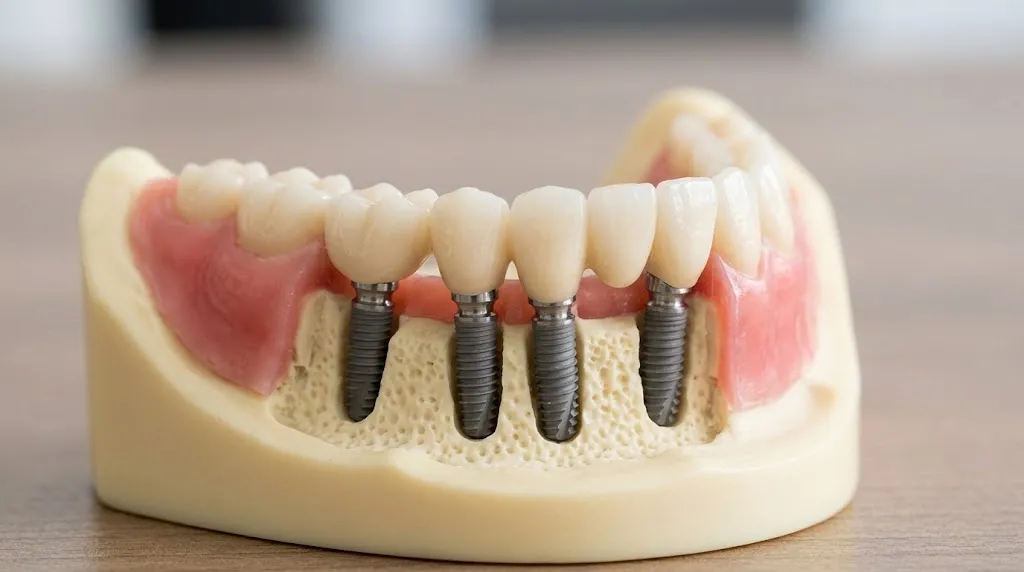
Type of Anesthesia: With extractions under local anesthesia, how long the patient can stay in the chair and keep their mouth open is limited. However, under general anesthesia or sedation, extracting all teeth in a single day (10-15 teeth if necessary) is routine for patients who will receive full-arch prostheses (such as All-on-4/6).
-
Presence of Infection: If there is an active, acute and widespread infection in the mouth, the dentist may first want to suppress it with antibiotic treatment. Local anesthesia does not work fully in an infected area, and multiple extractions may increase the risk of the infection spreading.
Advantages and Disadvantages of Multiple Tooth Extractions
Having many teeth extracted at once offers some conveniences for both the patient and the dentist, but it also comes with challenges to keep in mind.
Advantages:
-
A Single Recovery Period: Instead of going through a separate recovery period for each tooth (taking antibiotics/painkillers 3-4 times), the patient gets through the entire recovery at once.
-
Time Savings: You don't have to visit the clinic over and over again.
-
Faster Prosthesis Stage: Especially if a complete (full) denture or implant-supported prosthesis is planned, finishing the extractions at the same time speeds up the move to the prosthesis stage.
Disadvantages:
-
Post-operative Comfort: If extractions were done on both the right and left sides of the mouth, chewing can be quite difficult for the first few days.
-
Temporary Pain and Swelling: Compared with a single extraction, there is a higher chance of edema (swelling) and pain after multiple extractions.
Frequently Asked Questions (FAQ)
1. Can all 4 wisdom teeth be extracted at the same time?
Yes, extracting all 4 wisdom teeth in the same session is a common approach, especially under general anesthesia or sedation. If it is done under local anesthesia, it is usually preferred to complete it in two sessions so the patient can eat comfortably: first the right side (upper and lower), then the left side (upper and lower) a week or two later.
2. What should you eat after multiple tooth extractions?
For the first 24 hours, strictly avoid hot, grainy and acidic foods. Eat soups, yogurt, pureed foods and foods at room temperature or lukewarm. If one side of your mouth has had no extractions, chew on that side; if all teeth have been extracted, follow a completely liquid and soft diet.
3. When can an implant be placed after a tooth is extracted?
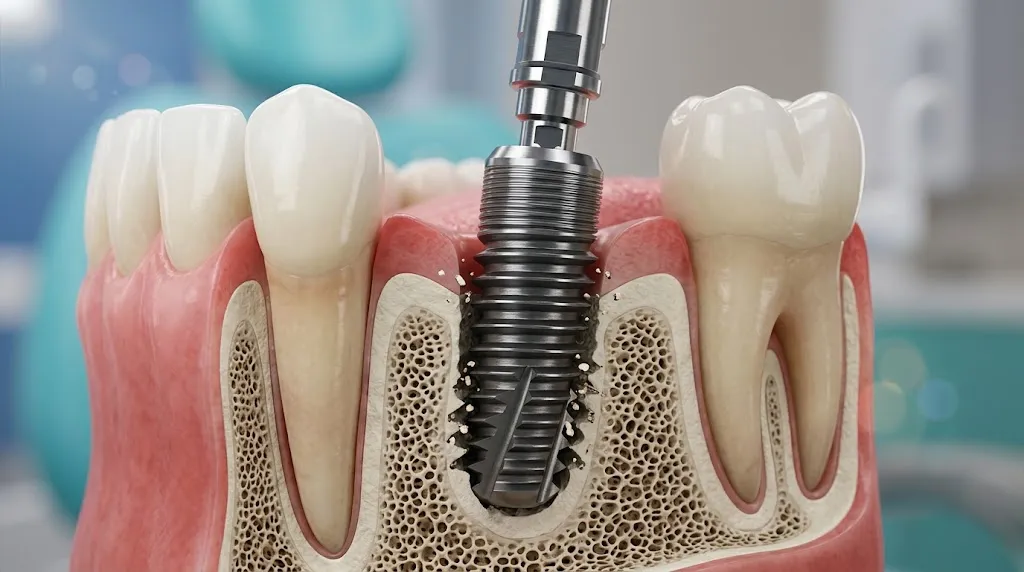
In some cases, an implant can be placed in the same socket immediately after the tooth is extracted (immediate implantation). However, if there is an active infection or severe bone loss, it may be necessary to wait 2 to 4 months for the bone to heal.
4. Is extracting several teeth at once risky for older people?
Age alone is not an obstacle; what matters are the patient's chronic systemic conditions (blood pressure, diabetes, heart disease, etc.). If these conditions are under control and medications have been adjusted under medical supervision, multiple extractions can be performed safely in older patients too.
⚠️ Important Note: Consult Your Dentist
Every mouth and set of teeth is unique. The most accurate answer to how many teeth can be extracted in a day for you, or which treatment protocol should be applied, can only be determined after a detailed clinical examination and panoramic X-ray analysis. Rather than relying on hearsay, you should always consult a specialist dentist to clarify your situation and create the most comfortable treatment plan for you.
For any questions and appointment requests, feel free to contact us.