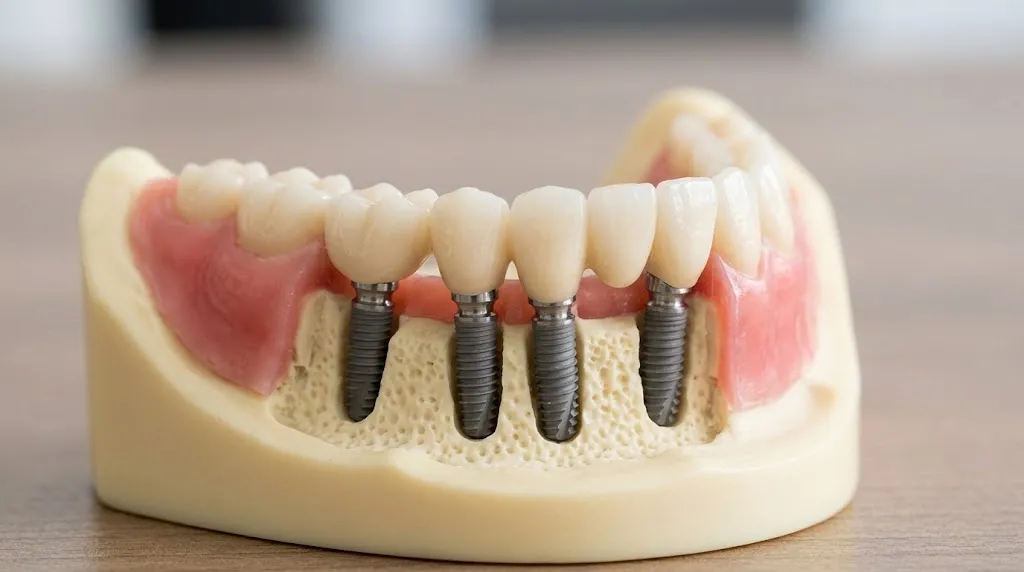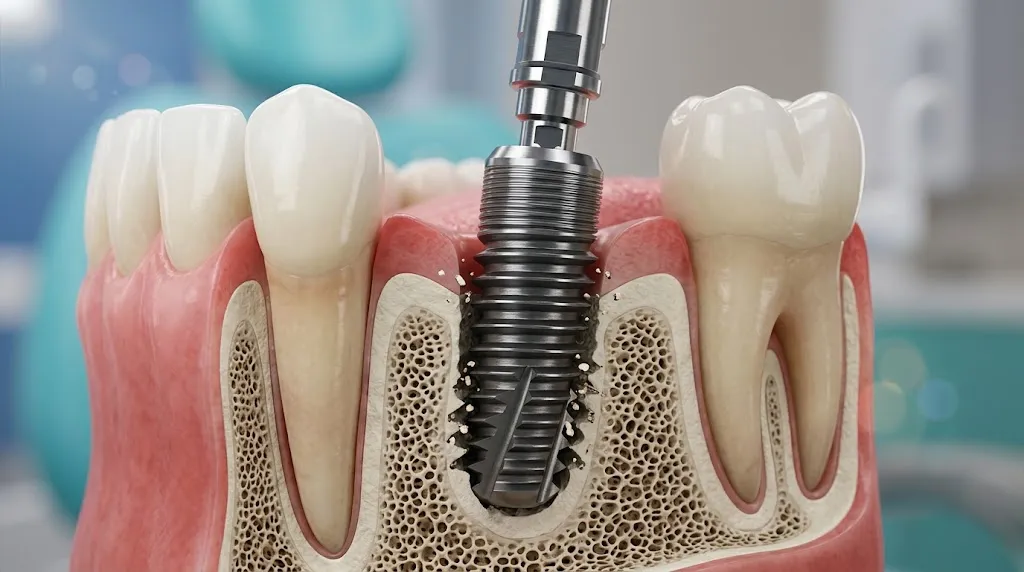

Tooth decay is treated according to its stage. Early white-spot decay is treated with professional fluoride, more extensive decay with composite or amalgam fillings, decay reaching the pulp with root canal treatment, and badly damaged teeth with porcelain or zirconia crowns. Extraction is the last resort for teeth that cannot be saved. Decay does not heal on its own.
- Decay forms from acid produced by bacteria feeding on sugar and starch.
- Tooth enamel cannot regenerate; a cavity needs treatment by a dentist.
- Dentists prioritize saving the tooth; extraction is the last resort.
- Brushing twice a day with fluoride toothpaste and flossing are recommended.
- A check-up every 6 months catches early decay.
Tooth decay is permanent damage that forms on the hard surface of the tooth (the enamel layer). The bacteria in our mouths combine with sugary and starchy foods to produce acid. Over time, these acids wear away the tooth enamel, creating small holes, in other words cavities.
How Is Tooth Decay Treated? (Treatment Methods)
Depending on the stage of decay, dentists follow different treatment paths:
-
Fluoride Treatment: If the decay is still at an early stage (a white spot), the enamel layer can be strengthened again with professional fluoride applications.
-
Dental Filling: The most common method. The decayed tissue is removed and the cavity is filled with composite (tooth-colored) or amalgam material.
-
Root Canal Treatment: Performed if the decay has reached the core of the tooth (the pulp), that is, the nerves. The nerves are removed, and the canals are cleaned and filled.
-
Dental Crowns: If a large part of the tooth is damaged, a “cap” made of durable materials such as porcelain or zirconia is placed over it.
-
Tooth Extraction: If the tooth is too damaged to be saved, it is extracted to prevent the infection from spreading.
Frequently Asked Questions About Tooth Decay (FAQ)
Can tooth decay heal on its own at home?
No. Tooth enamel is not a tissue that can regenerate itself. Once a hole (cavity) has formed, the tooth must be treated by a dentist. Natural remedies can only relieve the pain temporarily.
What helps with a toothache?
For immediate relief, you can:
-
Rinse with warm salt water.
-
Use clove oil (it can be applied to the painful area with cotton).
-
Take a painkiller (after consulting a pharmacist).
Should a decayed tooth be extracted or filled?
Dentists always favor saving the tooth. If the root structure of the tooth is sound, a filling or root canal treatment is preferred. Extraction is the last resort.
Does tooth decay cause bad breath?
Yes. Food debris that collects in cavities and the bacterial activity there cause serious bad breath over time.
5 Golden Rules for Preventing Tooth Decay
| Method | Description |
| Brushing | Brush at least twice a day with a fluoride toothpaste. |
| Interdental Cleaning | Use dental floss or an interdental brush to clean where your toothbrush cannot reach. |
| Diet | Keep sugary and acidic drinks to a minimum. |
| Drink Plenty of Water | Water regulates the acid balance in the mouth and increases saliva flow. |
| Regular Check-Ups | See your dentist every 6 months to catch problems at an early stage. |
Note: If a toothache is neglected, the infection can spread to the surrounding tissues and jawbone. So you should not put off treatment by saying “it only twinges”. To make an appointment or ask questions, you can contact us.