An interdental brush is a thin, small oral care product designed to clean the side surfaces where teeth face each other and the spaces below the gumline. Choose a size that fits the gap, insert the brush horizontally without forcing it and move it back and forth a few times. Using it once a day, preferably before bed, is enough.
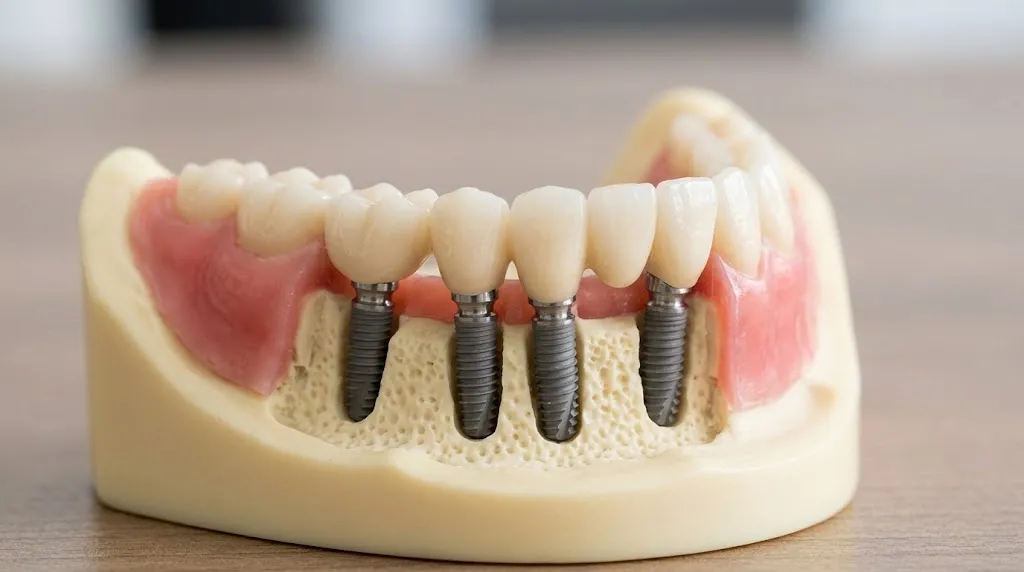
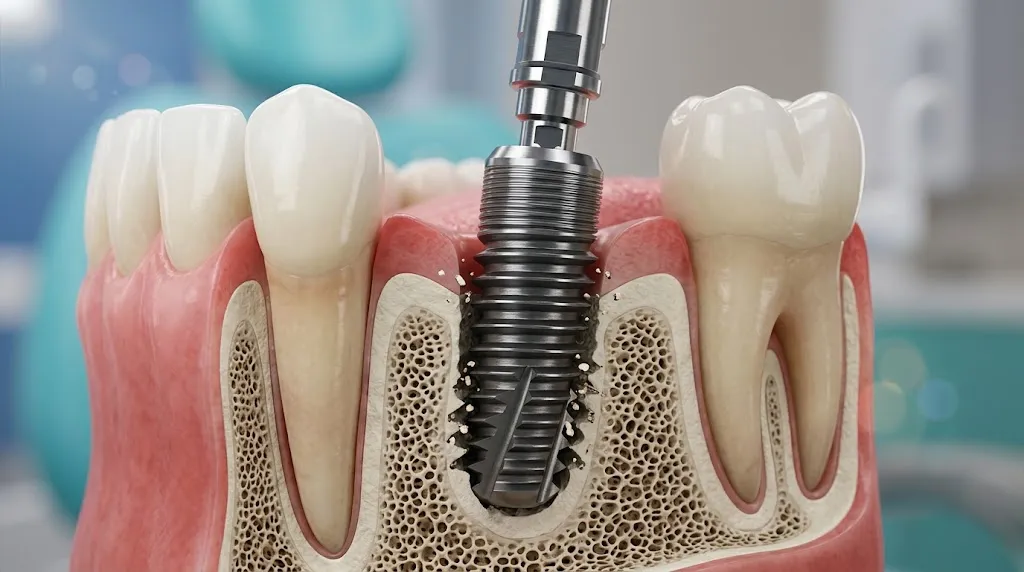
- Recommended for people with wide gaps, braces, implants, bridges or dentures.
- If the brush does not fit a gap, do not force it; choose a thinner size.
- Color codes indicate different wire and brush thicknesses.
- Mild bleeding at first use is normal; consult your dentist if it lasts more than 1 week.
- A good-quality brush can usually be rinsed and reused for about 1 week.
An interdental brush is a thin, small oral care product designed to clean the side surfaces where teeth face each other and the spaces below the gumline. Conventional toothbrushes can only clean the visible front, back and chewing surfaces of the teeth. However, the "interproximal surfaces" where teeth touch each other are where plaque buildup and decay start most intensely.
Who Should Use an Interdental Brush?
-
People with wide gaps between their teeth.
-
People undergoing orthodontic treatment (braces).
-
People with implants, bridges or dentures.
-
People with gum recession or gum disease (periodontitis).
How Is an Interdental Brush Used? (Step-by-Step Guide)
Using an interdental brush correctly is important for achieving maximum hygiene without harming your gums. Here are the steps:
-
Choose the Right Size: Determine the most suitable size for the width of the gaps between your teeth. The brush should feel slight resistance as it goes between the teeth but should never be forced.
-
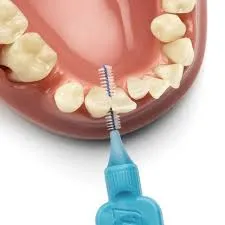
Adjust the Angle: Insert the brush into the space between your teeth at a horizontal angle. You can tilt it slightly from top to bottom in the upper jaw and from bottom to top in the lower jaw.
-
Move It Gently: Insert the brush between the teeth and move it back and forth a few times.
-
Don't Force It: If the brush does not fit into a gap, use a thinner size. Forcing it can cause bleeding or irritation of your gums.
-
Rinse the Brush: After cleaning each gap, rinse the tip of the brush with water to remove the plaque that has collected.
What to Look For When Choosing an Interdental Brush
Interdental brushes are usually distinguished from one another by color codes (ISO standards). Each color represents a different wire and brush thickness:
-
Pink/Orange (0.4mm – 0.45mm): For the narrowest gaps between teeth.
-
Blue/Green (0.6mm – 0.7mm): For medium-width gaps and braces.
-
Yellow/Purple (0.8mm – 1.1mm): For wide gaps and under bridges.
Note: Mild gum bleeding at first use is considered normal. However, if the bleeding lasts more than 1 week, you should consult your dentist.
Benefits of Using an Interdental Brush
-
Prevents Interproximal Cavities: It minimizes the risk of hidden decay forming at the points where teeth touch.
-
Protects Gum Health: It removes plaque, the biggest cause of gum inflammation (gingivitis).
-
Ends Bad Breath: Food debris left between teeth causes odor; an interdental brush solves this problem at its root.
-
Extends Implant Life: Cleaning around the implant is critical for its success.
Frequently Asked Questions (FAQ)
1. How many times can an interdental brush be used? A good-quality interdental brush can be rinsed and reused until its wire bends or its bristles become deformed (usually about 1 week).
2. Dental floss or interdental brush? If your teeth are very tightly packed, dental floss is more effective; if there are gaps or you wear braces, an interdental brush is more effective. Dentists generally state that interdental brushes are more successful at removing plaque.
3. How many times a day should it be used? Using it once a day, preferably before going to bed, is enough.
We hope we have answered your questions about what an interdental brush is and is not. For any questions, you can contact us.