People with dental implants can have an MRI. Almost all modern dental implants are made of titanium or titanium alloys, and because titanium is not ferromagnetic, it is not affected by the MRI magnetic field. Depending on the bridge or prosthesis structure, slight brightening (artifacts) may appear on face and brain MRI images; this poses no health risk.
- Ferromagnetic metals such as iron, nickel and cobalt can be affected in an MRI.
- Orthopedic implants require at least 6–8 weeks after surgery and MR Conditional certification.
- Electronic implants such as pacemakers require cardiologist and radiologist approval.
- Keep your implant card with you before an MRI.
- Declare all metals in your body to the radiology technician.
Thanks to advances in medical technology, many problems, from missing teeth to joint disorders, are now solved with implants and prostheses. However, Magnetic Resonance Imaging (MRI), another health need that life may bring, raises a big question for people who carry metal in their bodies.
So, can someone with implants have an MRI? Is it safe, or does it carry a risk? Here are the current medical standards and all the details you need to know.
How Does an MRI Machine Work and Why Does Metal Matter?
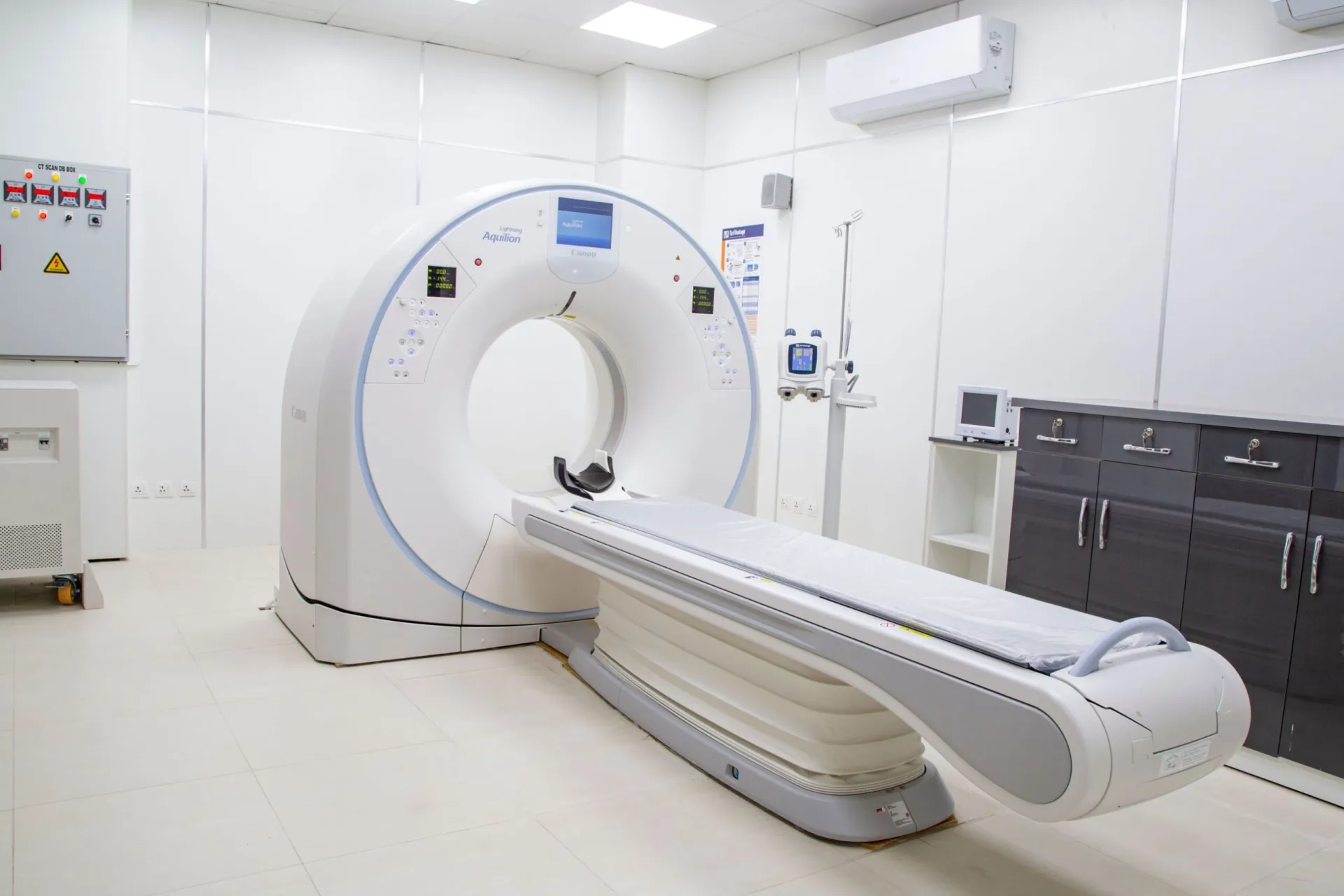
An MRI machine uses a powerful magnetic field and radio waves to obtain detailed images of the body. No X-rays (radiation) are used in this system; however, the machine is like a giant magnet.
Because of the strength of the magnetic field, some metals placed in the body can be affected by it. Metals are generally divided into three categories:
-
Ferromagnetic (attracted to magnets): Metals such as iron, nickel and cobalt can shift or heat up in an MRI environment.
-
Non-ferromagnetic (not attracted to magnets): Metals such as titanium and aluminum are not affected, or only minimally affected, by the magnetic field.
MRI Compatibility by Implant Type
In medicine, the word “implant” covers a very wide range. Knowing which implant is MRI-compatible is vitally important.
1. Dental Implants and MRI
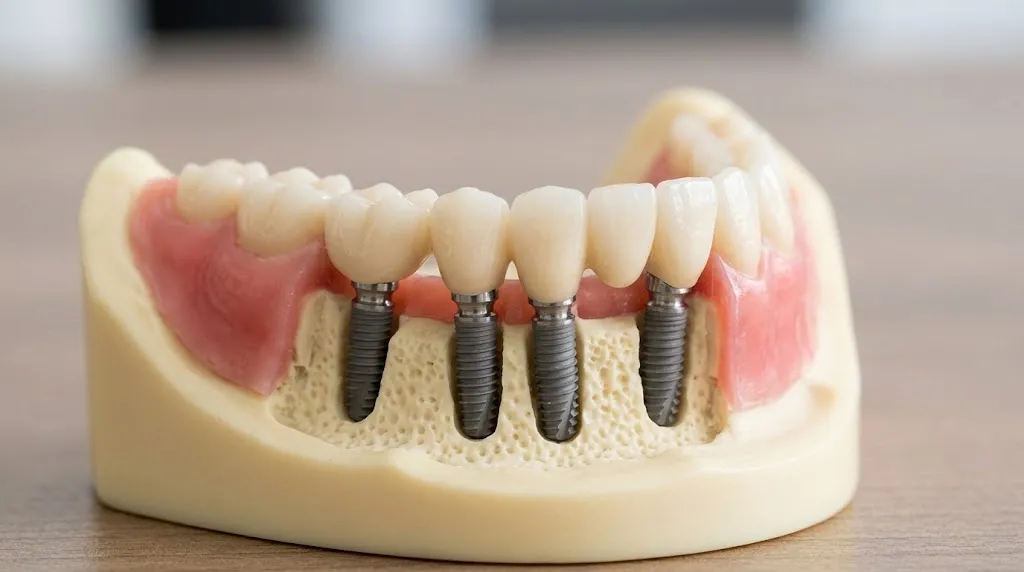
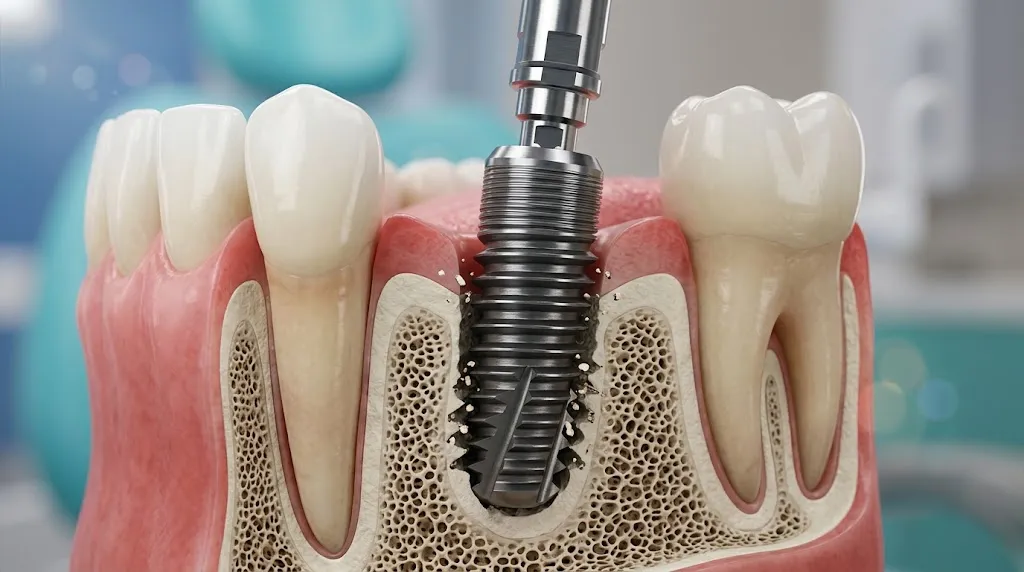
The most frequently asked question concerns dental implants. Almost all modern dental implants are made of titanium or titanium alloys. Because titanium is not a ferromagnetic material, it is not affected by the MRI machine’s magnetic field.
-
Conclusion: People with dental implants can safely have an MRI.
-
A small note: Depending on the structure of implant-supported bridges or prostheses, they can sometimes cause slight brightening (artifacts) on face/brain MRI images, but this poses no health risk.
2. Orthopedic Implants (Plates, Screws and Prostheses)
The plates and screws used to fix broken bones, as well as hip or knee prostheses, are usually made of titanium, stainless steel or chrome-cobalt alloys.
-
Conclusion: If at least 6–8 weeks have passed since surgery and the material used is certified “MR Conditional”, it is safe to have an MRI with orthopedic implants.
3. Pacemakers and Electronic Implants
Electronic devices such as older pacemakers, cochlear (bionic ear) implants or neurostimulators can malfunction or become dangerous in an MRI field.
-
Conclusion: “MRI-compatible” pacemakers are now produced, but approval from your cardiologist and a radiologist is always required before the procedure. Do not enter the MRI room without approval.
What to Do Before Having an MRI
If you have any implant, prosthesis, plate or implant-supported denture in your body, be sure to follow these steps before the procedure:
1. Keep Your Implant Card with You: The implant ID card given to you by the surgeon shows the exact model of the material and its MRI compatibility rating.
2. Inform the Radiology Technician: On the form filled out before entering the MRI room, declare all metals in your body in full.
3. Consult Your Doctor: If you are unsure of the material type, especially for older operations or those performed abroad, contact the surgeon who performed the operation.
In Summary: Should You Be Worried?
More than 90% of the materials used in medicine and dentistry today are produced with MRI-compatible technologies. So, especially if you have a modern dental implant, there is no need to worry. Still, in line with safety protocols, informing the healthcare staff of your situation before the procedure is the most appropriate and safest approach.