
Oral and dental diseases include tooth decay and wear, gum diseases such as gingivitis and periodontitis, dental infections and abscesses, impacted teeth, missing teeth, jaw joint (TMJ) disorders, canker sores and ulcers, and bad breath. Dental departments diagnose and treat these conditions, and oral and maxillofacial surgery is also part of this field.
- Gingivitis is the earliest stage and is reversible with proper care.
- In periodontitis, inflammation reaches the jawbone and teeth may loosen.
- Fissure sealants, space maintainers and fluoride are used in children.
- Treatment involves fillings, root canal treatment and prostheses.
- A dental check-up every 6 months is recommended even without complaints.
What Are Oral and Dental Diseases and What Do They Include? Oral and dental health is the starting point of a healthy life. The mouth, the first stage of the digestive system, also acts as a shield against microorganisms from the outside world. However, neglected oral care not only leads to tooth loss and aesthetic problems, but can also trigger many systemic conditions, from heart disease to diabetes.
In this comprehensive guide, we will look at the most frequently asked questions about oral and dental health, treatment methods and modern dental practices.
What Is Oral and Dental Health?
Oral and dental health is the state in which the teeth, gums, tongue, palate and jaw joints can perform their functions (chewing, speaking, etc.) without pain, fully and without aesthetic concerns. Not only having cavity-free teeth but also having completely healthy surrounding tissues and gums forms the foundation of oral health.
Which Diseases Does a Dental Department Treat?
The oral and dental health (dentistry) departments of hospitals and clinics deal with the diagnosis and treatment of a very wide range of diseases. The main conditions this department treats are:
-
Tooth Decay and Wear: Breakdown of hard tissue caused by bacterial plaque.
-
Gum Diseases (Periodontal Diseases): Gum inflammations such as gingivitis and periodontitis.
-
Dental Infections and Abscesses: Inflammation that forms when advanced decay reaches the root tip.
-
Impacted Teeth: Especially wisdom teeth becoming trapped in the jawbone.
-
Missing Teeth: Tooth loss due to trauma, decay or aging.
-
Jaw Joint (TMJ) Disorders: Jaw locking, grinding and joint pain.
-
Mouth Sores (Canker Sores and Ulcers): Painful lesions on the cheeks, tongue and palate.
-
Bad Breath (Halitosis): Chronic odor caused by gum problems or poor hygiene.
What Are Gum Diseases?
Gum diseases are inflammatory conditions that affect the tissues surrounding and supporting the teeth. If not noticed at an early stage, they can become the leading cause of tooth loss.
-
Gingivitis (Gum Inflammation): The earliest and mildest stage of gum disease. Its most obvious sign is gums that bleed when brushing. The gums are red, swollen and tender. It is completely reversible with regular professional care and good brushing.
-
Periodontitis (Advanced Gum Disease): The stage at which inflammation spreads from the gums to the jawbone. Deep spaces called “periodontal pockets” form between the teeth and gums. Teeth that lose bone support begin to loosen and are eventually lost.
What Do Oral, Dental and Maxillofacial Diseases and Surgery Include?
Oral and Maxillofacial Surgery is the specialty covering all surgical procedures involving both the soft tissues (tongue, cheeks, palate, salivary glands) and the hard tissues (teeth, jaws) of the oral cavity.
-
Extraction of impacted, complicated or erupted teeth.
-
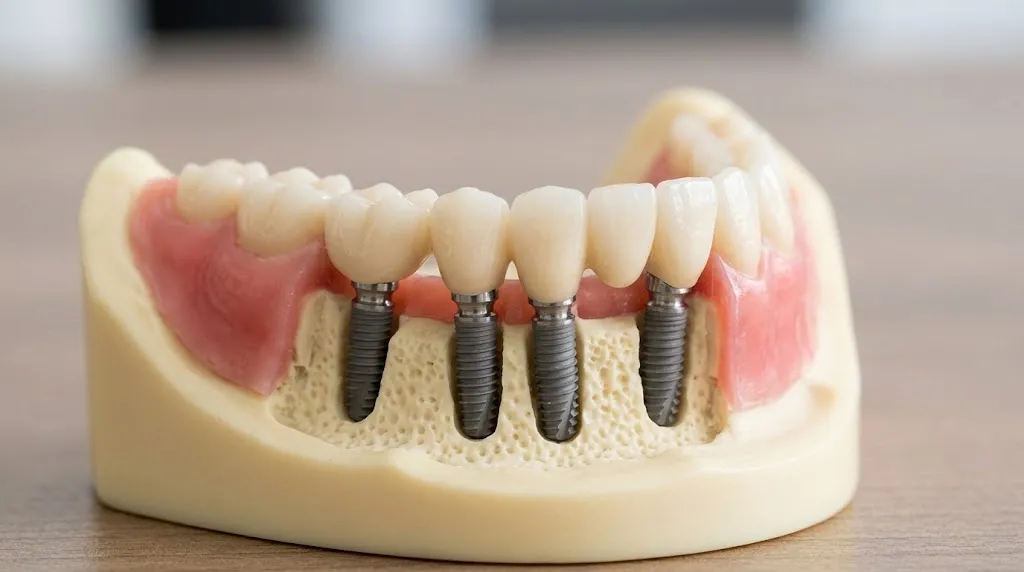
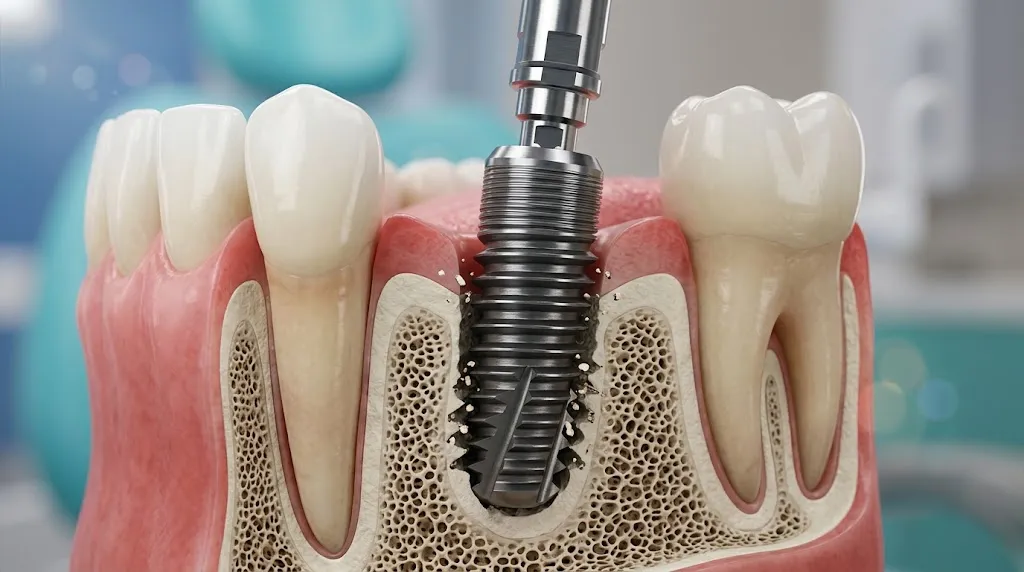
Dental implant placement and bone grafting operations.
-
Removal of cysts and tumors that develop in the jawbone.
-
Surgical correction of oral tissues before dentures (pre-prosthetic surgery).
-
Treatment of jaw fractures and orthognathic surgery (jaw repositioning operations).
What Are Pediatric Dental Health (Pedodontics) Treatments?
Baby teeth guide the permanent teeth. That is why oral care in childhood directly shapes the future structure of the mouth. Within Pedodontics (Pediatric Dentistry), the following preventive and therapeutic treatments are carried out:
-
Fissure Sealants (the “Tooth Vaccine”): Sealing the deep grooves (fissures) on the chewing surfaces of molars with a flowable filling to prevent decay.
-
Space Maintainers: Fixed or removable appliances made to preserve the space for the permanent tooth to come, in place of baby teeth lost early.
-
Fluoride Treatments: Professional fluoride gel applications that strengthen tooth enamel against acid attacks.
-
Baby Tooth Fillings and Root Canal Treatments (Pulpotomy): Procedures that clean decay from baby teeth and keep the tooth in the mouth until it is due to fall out.
What Should Adults Pay Attention to for Oral and Dental Health?
In adulthood, changes in metabolism, stress and chronic diseases (diabetes, high blood pressure, etc.) directly affect oral health. Key points adults should pay attention to:
-
Proper Brushing and Interdental Cleaning: Teeth should be brushed at least twice a day with circular/sweeping motions, and dental floss or an interdental brush must be used for areas the brush cannot reach.
-
Eating Habits: Consumption of sugary, sticky and acidic foods should be limited; when they are eaten, the mouth should be rinsed with water.
-
Avoiding Harmful Habits: Cigarettes and tobacco products mask gum disease (by reducing bleeding, they allow the disease to progress unnoticed) and increase the risk of oral cancer.
-
Stress Management and Bruxism (Teeth Clenching): Support from night guards or Botox treatments should be sought for nighttime teeth clenching, one of today’s biggest problems.
How Can You Protect Your Oral and Dental Health?
With simple but consistent steps at home, you can protect your oral health for life:
-
Replace your toothbrush every 3 months at the latest, or as soon as its bristles become deformed.
-
Don’t neglect cleaning the surface of your tongue; most bacteria live on the back of the tongue.
-
Dry mouth increases the risk of decay, so drink plenty of water throughout the day.
-
Even if you have no complaints, go for a regular dental check-up every 6 months. Early diagnosis protects both your teeth and your budget.
What Treatment Methods Are Used in Dentistry?
Modern dentistry uses advanced technological methods to save damaged or lost teeth:
-
Conservative Treatment (Fillings): Removing decayed tissue and restoring the tooth with tooth-colored composite or porcelain fillings.
-
Endodontics (Root Canal Treatment): When the living tissue at the center of the tooth (the pulp) becomes infected, the root canals are cleaned and filled. This allows many teeth that would otherwise “need to be extracted” to be kept.
-
Prosthodontic Treatment (Prostheses): Crowns, bridges, removable palatal dentures or implant-supported porcelain made to replace lost teeth.
What Are the Common Procedures in a Dental Department?
The basic procedures most routinely encountered and performed in the clinic are:
-
Scaling (Tartar Removal): Removing hard tartar, formed when minerals in saliva combine with bacterial plaque, using ultrasonic devices.
-
Curettage (Deep Gum Cleaning): Scraping away tartar and infected tissue that has reached the gum pockets, under local anesthesia.
-
Panoramic X-Ray: An imaging method that shows the entire upper and lower jaw and all the teeth on a single film, allowing invisible decay and cysts to be diagnosed.
What Procedures Are Performed in Cosmetic Dentistry?
Today, dentistry aims not only for health but also to design a natural, aesthetic smile that suits the person’s facial structure. Procedures performed under the concept of Smile Design (Hollywood Smile) include:
-
Bleaching (Teeth Whitening): Lightening the tooth color by several shades with special gels and light sources, without damaging the enamel.
-
Porcelain Veneers (Laminates): Thin, aesthetic porcelain shells applied with very little reduction (sometimes none) of only the front surface of the teeth.
-
Zirconia Crowns: Extremely durable, highly translucent crowns with no metal substructure, used safely on both back and front teeth.
-
Pink Aesthetics (Gingivoplasty): When too much gum shows when smiling (gummy smile), the gum line is surgically reshaped with a laser.
Frequently Asked Questions About Oral and Dental Health
Does scaling damage tooth enamel?
No, it does not. The ultrasonic devices used in scaling only remove foreign substances (tartar) attached to the tooth surface by vibration. On the contrary, tartar that is not removed leads to gum recession and bone loss.
Is root canal treatment painful?
No. Because effective local anesthesia is applied to the tooth and surrounding tissues beforehand, no pain or ache is felt during treatment.
Is implant treatment a difficult procedure?
Contrary to popular belief, implant surgery is a comfortable procedure performed under local anesthesia that usually takes 10–15 minutes for a single tooth. Pain is minimal afterwards when the medications recommended by the dentist are taken regularly.
Does teeth whitening wear down the teeth?
Whitening performed under a dentist’s supervision with professional products causes no permanent harm to tooth enamel. Mild sensitivity in the first 24–48 hours after treatment is considered normal and temporary.
For any questions about your oral and dental health and for appointment requests, you can contact us. To see the oral and dental health treatments we offer, you can visit our treatments page.