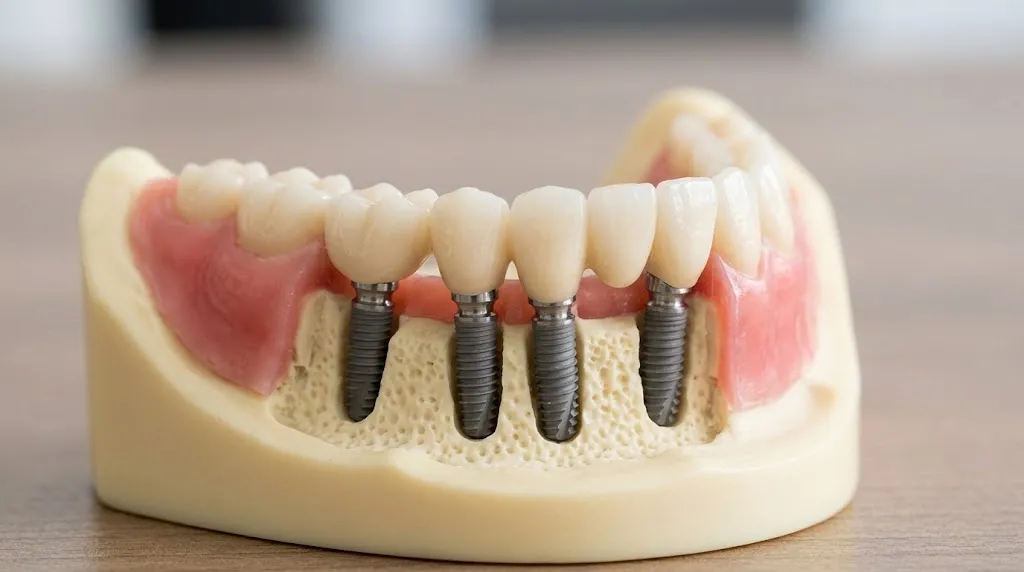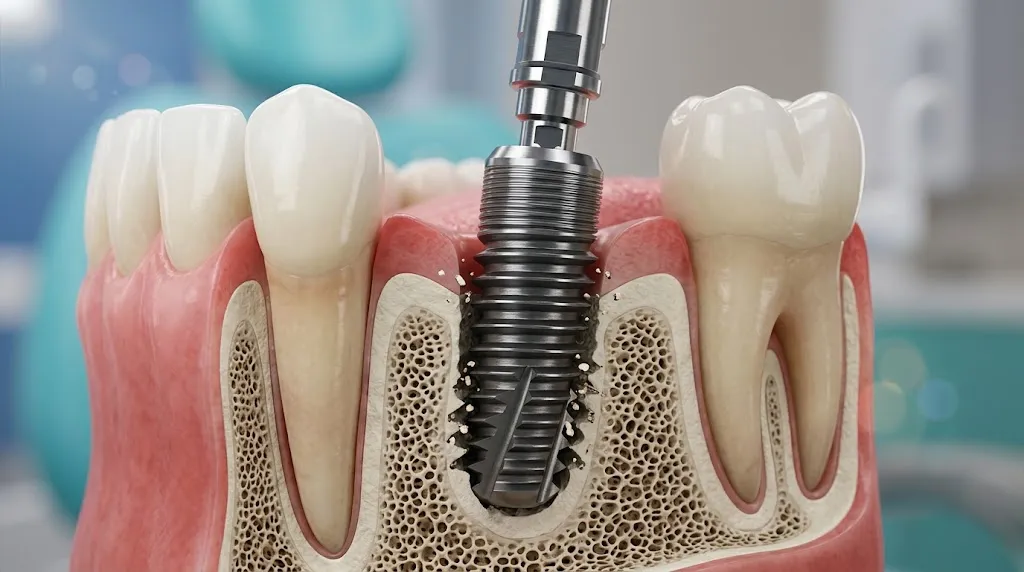
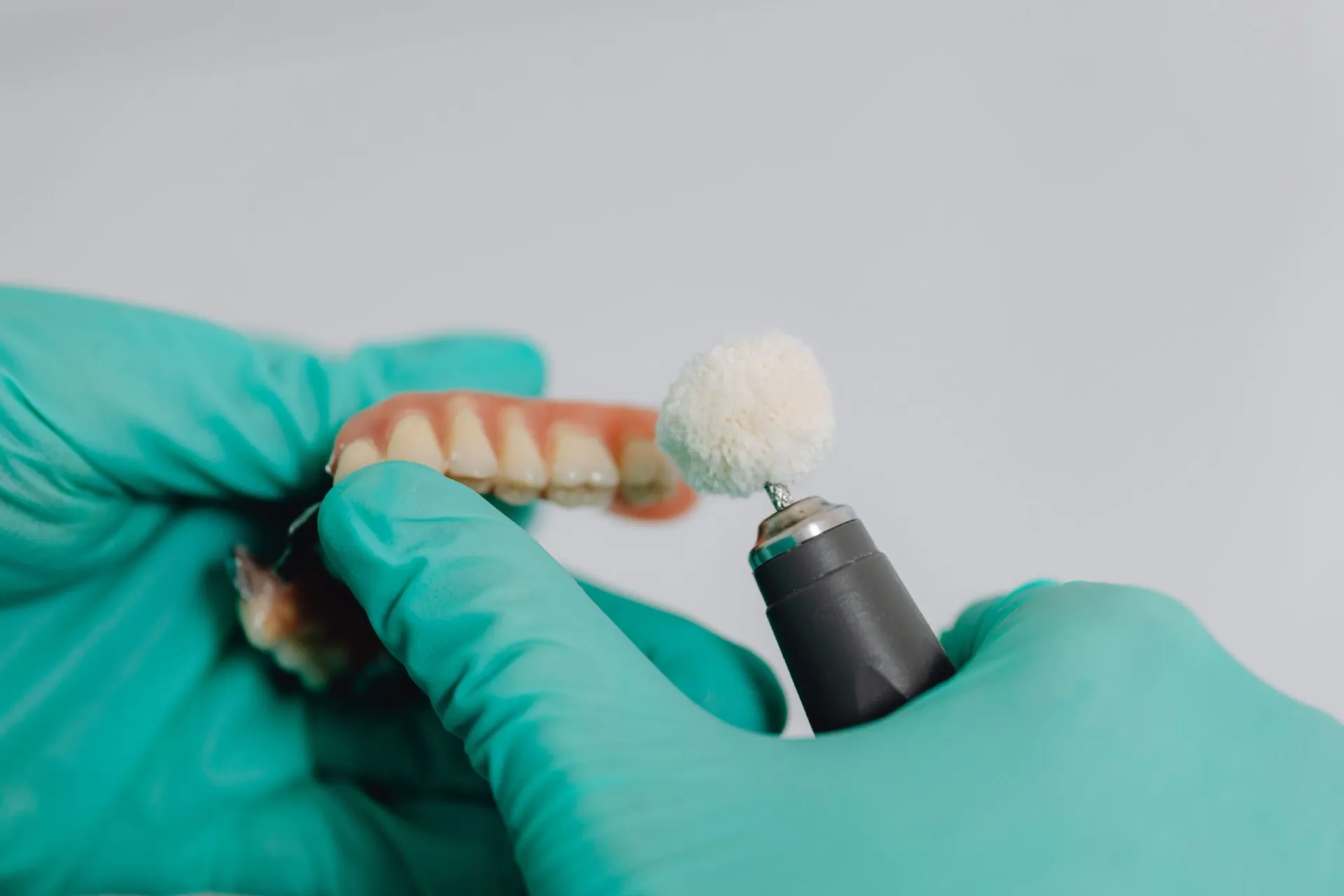
A precision attachment denture (snap-on denture) is a removable denture supported by natural teeth or implants. Male and female parts, one hidden in the supporting tooth’s crown and the other in the denture, lock together, so no metal clasps are visible. It is preferred for patients with many missing teeth for whom a fixed bridge is not possible.
- At least 4–6 healthy supporting teeth are needed.
- It is an alternative for patients who cannot have implants.
- Treatment is completed in several sessions: examination, impressions, try-ins and delivery.
- The denture should be cleaned after every meal and removed at night.
- Price varies by number of supporting teeth, attachment brand, material and clinic.
What Is a Precision Attachment Denture: Missing teeth are a significant problem that negatively affects quality of life, both in terms of health and aesthetics. Thanks to advances in dental technology, excellent alternatives are now available for patients who cannot have implants or who are completely toothless. Foremost among these solutions are precision attachment dentures, popularly known in Turkey as “snap” dentures.
So what is a precision attachment denture, what are its advantages and who is it suitable for? In this article, we answer all the frequently asked questions about precision attachment dentures, one of the most comfortable solutions in modern dentistry.
What Is a Snap-On (Precision Attachment) Denture?
A snap-on denture is a removable denture made with support from the natural teeth or implants already in the mouth. Unlike classic clasp-retained (partial) dentures, these dentures have no visible metal clasps.
The mechanism that holds the denture in the mouth consists of a male and a female part. One of these parts is built into the crown placed on the existing teeth, and the other is hidden inside the removable denture. When the denture is placed in the mouth, the two parts lock together and make a clicking sound, just like a snap fastener on clothing. That is why it is popularly called a “snap tooth”.
What Are the Advantages of a Precision Attachment Denture?
Compared with traditional palatal or clasp-retained dentures, precision attachment dentures offer patients a much higher standard of living. Here are the main advantages of this method:
-
Aesthetic Appearance: Its biggest advantage is that it has none of the unsightly metal clasps found on classic dentures. Because the connection mechanism is completely hidden inside the denture, it cannot be distinguished from your natural teeth from the outside.
-
Maximum Retention and Stability: Thanks to the mechanism that clicks into place, the denture does not move in the mouth. The fear of the denture coming loose while eating, talking or laughing disappears completely.
-
High Chewing Comfort: It offers chewing force close to that of a fixed prosthesis. You can eat even hard foods much more comfortably.
-
Compatibility with Oral Tissues: Precision attachments distribute the chewing load evenly to the supporting teeth and the jawbone. This helps protect the tissues in the mouth.
Who Can Get a Precision Attachment Denture?
Precision attachment dentures are preferred for patients who have many missing teeth and for whom a fixed bridge is not possible.
Requirements:
-
There must be at least 4–6 healthy natural teeth in the mouth to support the denture.
-
The root health and bone support of the supporting teeth must be in good condition.
-
It is the ideal alternative for patients with insufficient bone volume for implant surgery or who cannot have implants due to systemic health problems.
How Is Precision Attachment Denture Treatment Done? (Treatment Stages)
Making a precision attachment denture requires delicate laboratory work and expertise. Treatment is usually completed in several sessions:
| Stage | Procedure |
| 1. Examination and Preparation | The mouth is examined in detail and X-rays are taken. The supporting teeth are restored and reduced for impressions. |
| 2. Impressions and Laboratory | Precise impressions of the mouth are taken. The dental technician prepares the crowns for the supporting teeth and the attachment mechanism. |
| 3. Try-In Sessions | The aesthetics of the teeth, the bite and the fit of the denture are checked in the mouth. |
| 4. Delivery | The crowns are cemented onto the teeth, the attachment denture is fitted, and the patient is shown how to use it. |
How Should a Precision Attachment Denture Be Cleaned and Cared For?
Daily care is very important to extend the life of your denture and protect your oral health:
-
Clean It After Every Meal: Remove your denture and clean it under running water with a denture brush and soap (or special denture pastes). Regular toothpastes can scratch the denture surface.
-
Don’t Forget to Clean Your Mouth: After removing the denture, you should also clean the fixed crowns and your gums with a soft brush.
-
Rest It at Night: Remove your dentures at night and keep them in a container of water or water with a denture-cleaning tablet so your gums can breathe.
-
Replacing the Rubber Inserts: The small rubber inserts (parts) inside the attachment mechanism that provide retention can wear over time. When you feel your denture loosening, you can easily have these inserts replaced by your dentist.
Frequently Asked Questions (FAQ)
How much does a precision attachment denture cost?
Precision attachment denture prices vary depending on the number of supporting teeth (crowns), the brand of precision attachment used, the quality of the material and the clinic where the treatment is carried out. An examination by your dentist is essential for a clear price.
Is there pain or discomfort when using a snap-on denture?
When it is first fitted, as with any removable denture, there may be a short adjustment period (sore spots, redness). With minor adjustments by your dentist, the denture fully adapts to the mouth within a few weeks and can be worn without pain.
Which is better: a clasp denture or a precision attachment denture?
In terms of aesthetics and retention, precision attachment dentures are far superior to classic clasp dentures. Clasp dentures show metal on the front teeth, whereas in the attachment system this is completely hidden.
Take the First Step Toward a Healthy Smile!
To find the right treatment for your missing teeth and learn about precision attachment denture solutions tailored to you, you can be examined by an experienced dentist and make an appointment at your nearest dental clinic to achieve the comfortable smile you have been dreaming of.