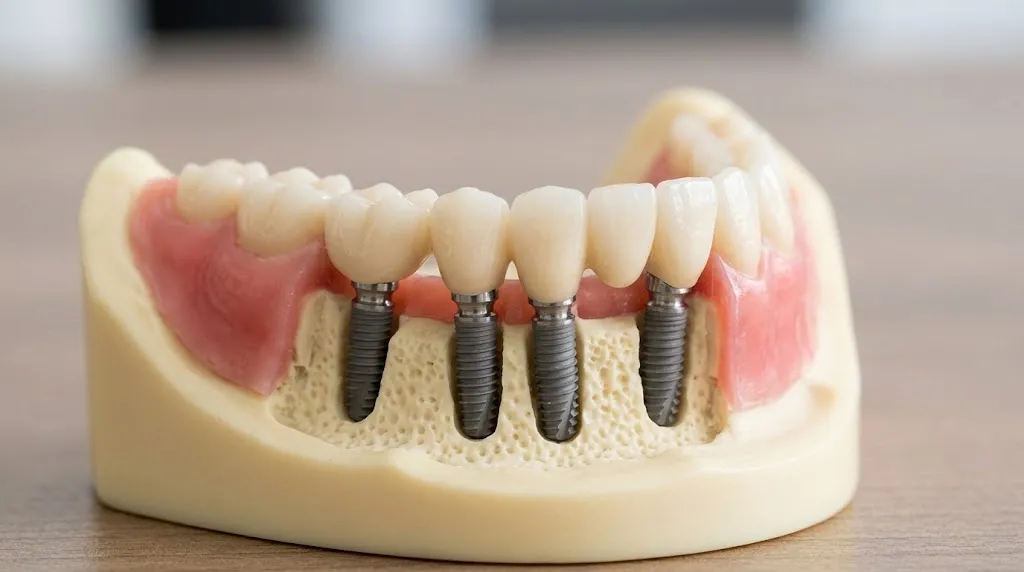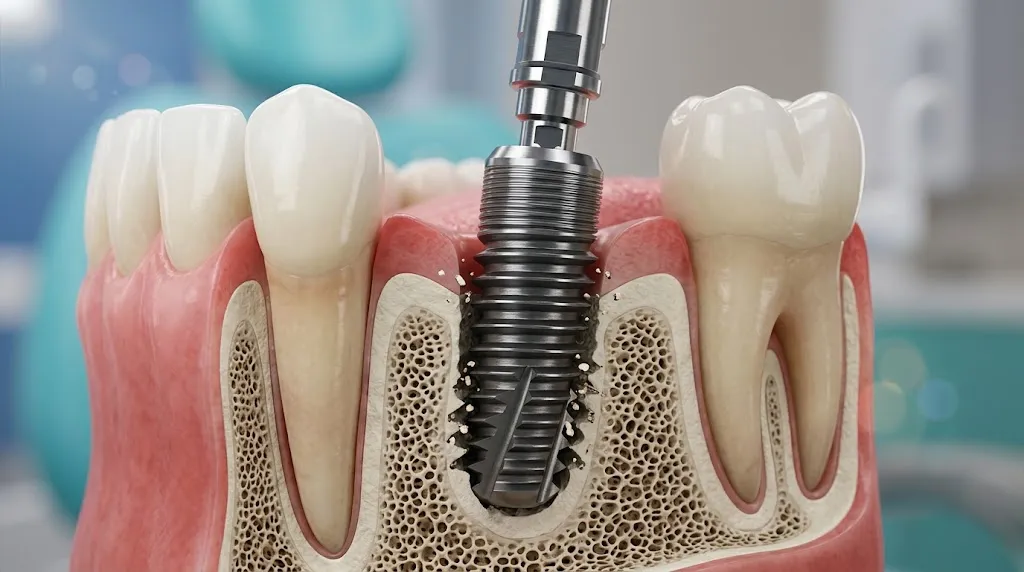
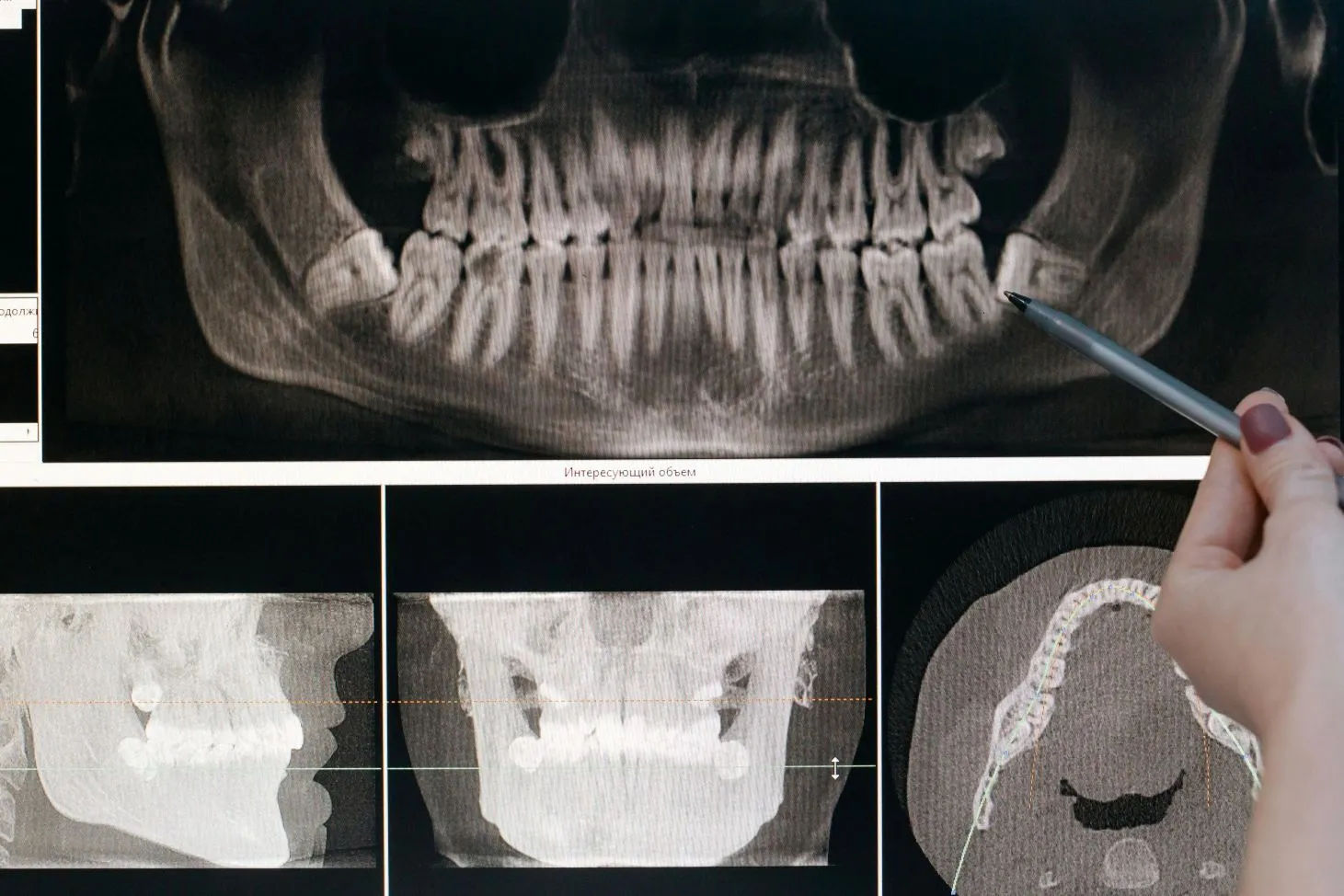
A tooth root infection (apical periodontitis) occurs when bacteria invade the pulp, the nerve and blood vessel bundle at the center of the tooth. When it reaches the root tip, inflammation or an abscess forms. It does not heal on its own; root canal treatment is most common, with apical resection, antibiotics or extraction when needed.
- Symptoms: throbbing pain, hot and cold sensitivity, swollen gums and bad breath.
- Causes: deep cavities, trauma, leaking fillings and teeth grinding.
- Antibiotics do not fully clear the infection; they are only supportive treatment.
- Painkillers and home remedies do not eliminate the infection.
- Left untreated, it can lead to tooth loss and bone damage.
Dental health is an inseparable part of overall health. Sometimes, however, a small neglected cavity can turn into a serious tooth root infection (apical periodontitis) over time. This not only causes severe pain but, if left untreated, can lead to tooth loss and damage to the surrounding bone.
In this article, we take a detailed look at the most frequently asked questions about tooth root infections and how they are treated.
What Is a Tooth Root Infection?
A tooth root infection occurs when bacteria invade the pulp (the bundle of nerves and blood vessels), the living tissue at the center of the tooth. When the infection reaches the root tip, a collection of inflammation or a dental abscess forms there.
What Are the Symptoms of a Tooth Root Infection?
Although the infection sometimes progresses silently, it usually shows itself with the following symptoms:
-
Throbbing pain: Severe pain that gets worse especially when pressure is applied or while eating.
-
Hot and cold sensitivity: A lingering reaction to temperature changes.
-
Swollen gums: A pimple-like bump (fistula) near the root tip or more widespread swelling.
-
Bad breath and a bad taste: Caused by discharge from the infection.
-
Swollen lymph nodes: May be a sign that the infection is spreading in the body.
What Causes a Tooth Root Infection?
-
Deep Cavities: The most common way for bacteria to reach the inside of the tooth.
-
Trauma: A hard blow to the tooth can cause the nerves to die and lead to infection.
-
Failed Fillings: Old or leaking fillings open the door to bacteria.
-
Teeth Grinding (Bruxism): Constant pressure can cause traumatic inflammation at the root tip.
How Is a Tooth Root Infection Treated?
In modern dentistry, the main goal is to keep the tooth in the mouth. The most common treatments are:
1. Root Canal Treatment (Endodontics)
This is the most effective and most frequently used method. The infected pulp tissue is removed, the canals are disinfected and then sealed with special filling materials.
2. Apical Resection
When root canal treatment is not enough or the cyst at the root tip is very large, this is a surgical procedure in which only the root tip and the infected tissue are removed.
3. Antibiotic Treatment
Antibiotics do not completely clear the infection, but they are used as supportive treatment to reduce swelling in acute cases and prevent the infection from spreading. They should not be used without a doctor's advice.
4. Tooth Extraction
If the tooth is too badly damaged to be saved or has completely lost its bone support, extraction is performed as a last resort.
Frequently Asked Questions (FAQ)
Does a tooth root infection go away on its own? No, a tooth root infection is an infection and will not heal without medical treatment. Painkillers only suppress the symptoms; they do not eliminate the infection.
Can it be treated at home with natural remedies? Salt water rinses or clove oil may provide temporary relief, but they cannot clear the bacteria at the root tip. Professional treatment is essential.
Can an infected tooth be extracted? In the past, it was believed that an infected tooth should not be extracted. Today, however, with modern techniques, extraction or root canal treatment can be performed safely under antibiotic cover or after the acute phase has passed.
Is pain after root canal treatment normal? Mild sensitivity or pain when biting in the first few days after treatment is normal. It is part of the healing process.
If you notice a throbbing pain in your tooth or swelling in your gums, it is important to see an endodontist (root canal specialist) as soon as possible so that the infection does not damage the bone tissue.
For questions about tooth root infections and to book an appointment with our specialist dentists, you can contact us.