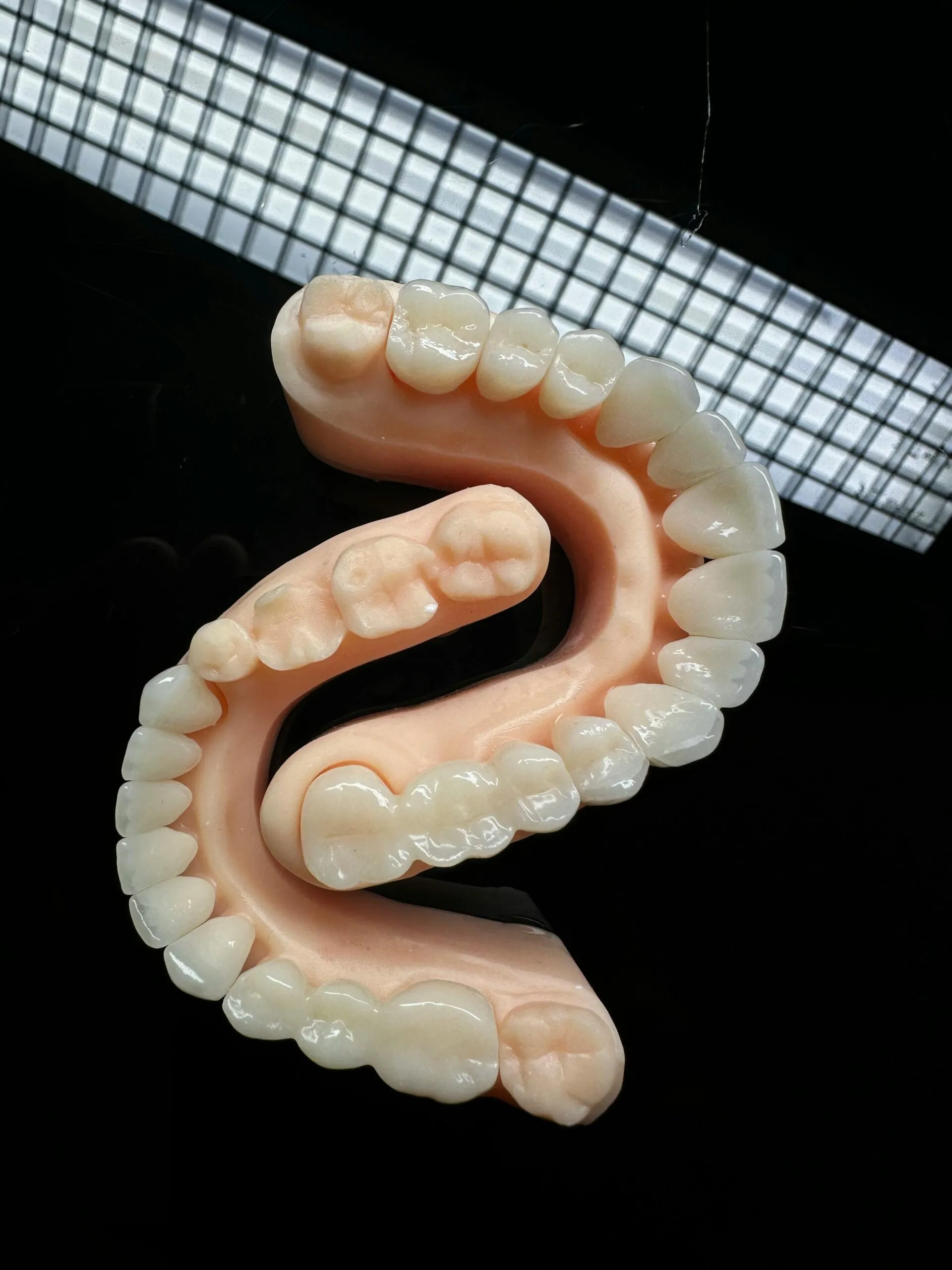
The main types of dental crowns and veneers are zirconia crowns, porcelain-fused-to-metal crowns, laminate veneers (porcelain laminates), all-ceramic crowns such as E-max, and composite veneers (bonding). They are used to correct discoloration, crowding and loss of tooth structure. Which type is chosen depends on the material, the position of the tooth and the patient's aesthetic expectations.
- Zirconia contains no metal and can be used on both front and back teeth.
- Porcelain-fused-to-metal is durable and usually preferred for back teeth.
- Laminate veneers are applied with the least tooth reduction.
- Process: examination, preparation, impressions, temporary teeth, try-in and bonding.
- With good care, crowns and veneers can last 10-15 years on average.
What are the types of dental crowns and veneers? Modern dentistry offers a wide range of options both to address aesthetic concerns and to restore tooth function. Dental crowns and veneers are among the most effective ways to correct discoloration, crowding or loss of tooth structure.
Crowns and veneers differ according to the material used and the purpose of the treatment. The most popular options are:
1. Zirconia Crowns
The most popular treatment of recent years, zirconia crowns are known for both their durability and their translucency. Because they contain no metal, they do not cause a grayish discoloration of the gums and offer the closest look to a natural tooth. They can be used with confidence on both front and back teeth.
2. Porcelain Crowns (Porcelain-Fused-to-Metal)
A traditional option, porcelain-fused-to-metal crowns have a metal framework inside. This makes the crown very durable, but because its translucency is low, it may not give as aesthetic a result as zirconia. It is usually preferred for back teeth, where chewing forces are high.
3. Laminate Veneers (Porcelain Laminates)
In this method, also known as Laminate Veneers, only a very small amount of the front surface of the tooth is reduced (sometimes none at all). Thin porcelain shells are bonded onto the tooth. It is the method that preserves the most tooth structure and is often preferred in Hollywood Smile designs.
4. All-Ceramic (Empress/E-max) Crowns
Made entirely of ceramic, these crowns contain no metal. They are the most translucent type of crown. They are usually preferred for single-tooth restorations on front teeth, where aesthetics are critical. They may not be as resistant as zirconia in back tooth areas that are under very high pressure.
5. Composite Veneers (Bonding)
These are shaped by the dentist directly in the mouth, without the need for a laboratory. They are a more economical and faster solution, but they are not as long-lasting or stain-resistant as porcelain.
How Does the Crown and Veneer Process Work?
Treatment with crowns or veneers usually follows these steps:
-
Examination and Planning: The condition of the teeth is assessed, X-rays are taken and the type of restoration is decided in line with the patient's expectations.
-
Preparation: The teeth are minimally reshaped so that the restoration can sit on them.
-
Impressions: Impressions of the teeth are taken using digital or traditional methods and sent to the laboratory.
-
Temporary Teeth: Temporary crowns are fitted to prevent sensitivity until the permanent restorations are ready.
-
Try-in and Bonding: The finished restorations are tried in the mouth and, once the color and shape are approved, fixed with special adhesives.
Frequently Asked Questions (FAQ) About Dental Crowns and Veneers
How long do dental crowns and veneers last? With good oral care and regular dental check-ups, they can be used for 10-15 years on average. However, cracking hard foods with your teeth or grinding your teeth can shorten this period.
How do you care for crowned teeth? No differently from your natural teeth. You should brush at least twice a day and use floss or an interdental brush. Paying particular attention to gum health extends the life of the restoration.
Is the procedure painful? Because local anesthesia is applied during preparation, no pain or discomfort is felt. Mild sensitivity to hot and cold for a few days after the procedure is normal.
Which is better, zirconia or porcelain? If aesthetics are the priority and you have a metal allergy, zirconia or E-max is better. However, if you are looking for a budget-friendly and very strong solution, porcelain-fused-to-metal may be preferred for back teeth.
For any questions about dental crowns and veneers, you can contact us.