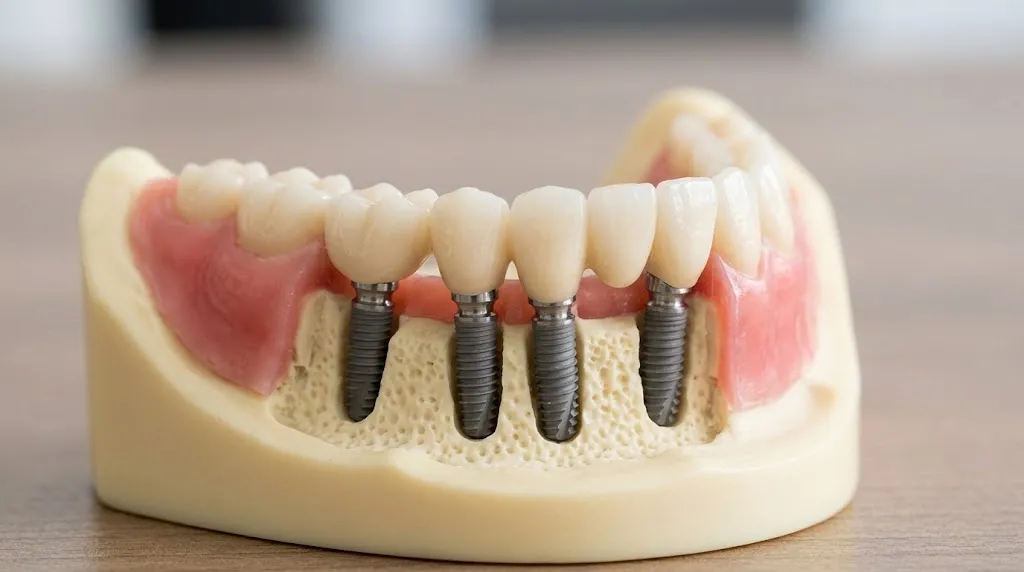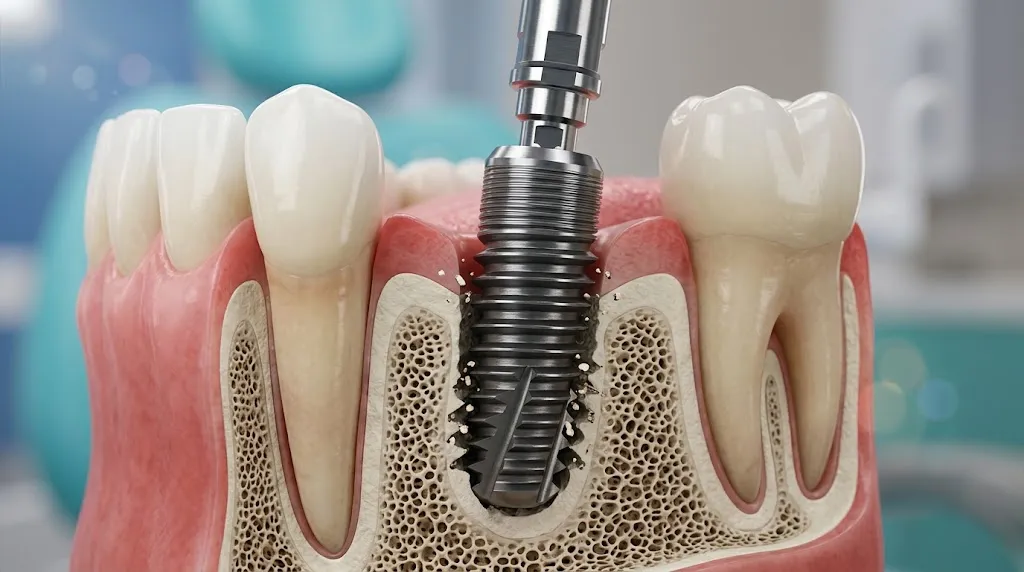
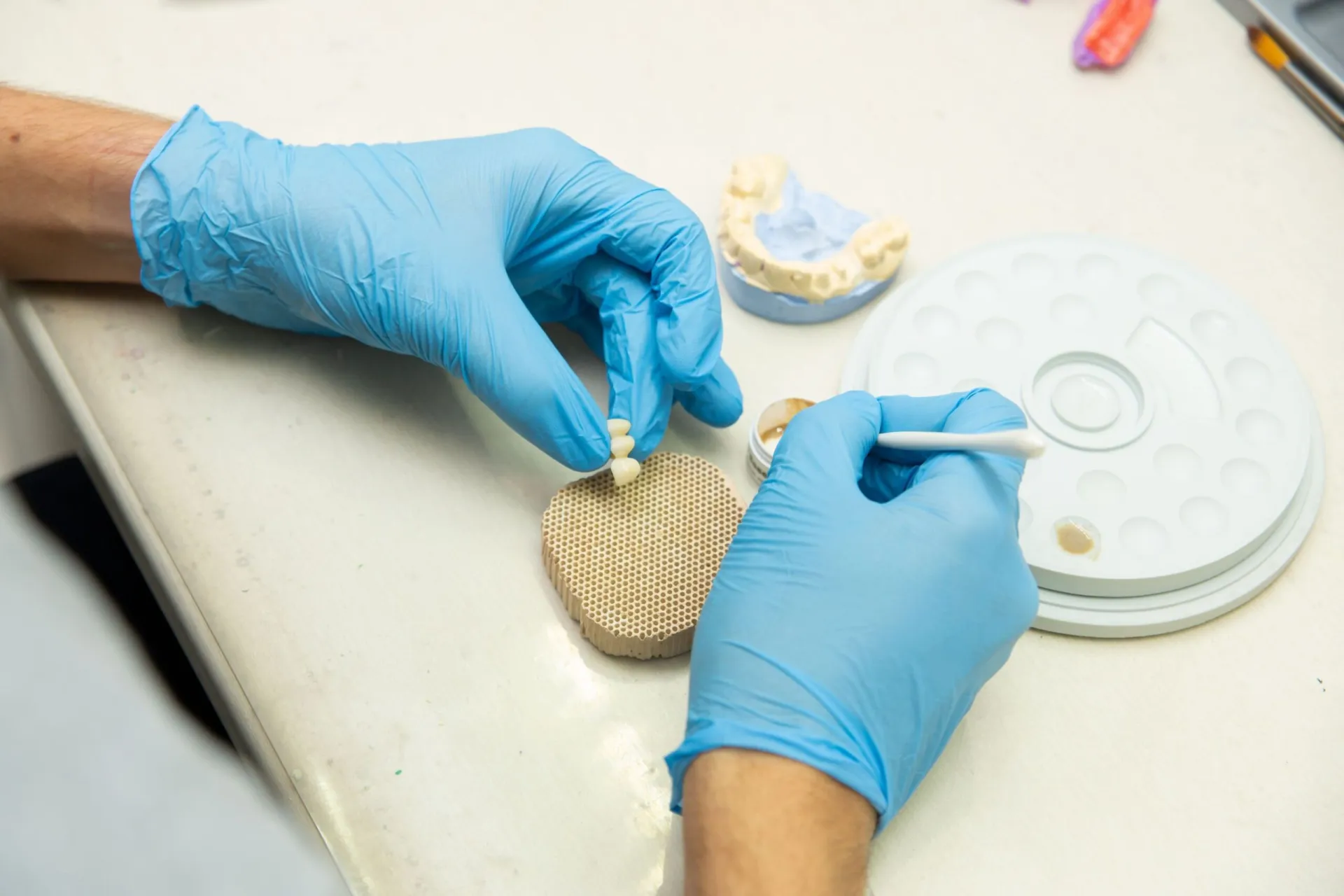
The choice between veneers and zirconia depends on the tooth’s condition. A veneer is an ultra-thin porcelain layer bonded only to the front surface with minimal reduction; it suits mild discoloration, gaps and small chips. Zirconia is a durable crown covering the whole tooth, suitable for major tooth loss, root-canal-treated teeth, clenching and bridges.
- Veneers are usually applied only to the front 8–10 teeth.
- Zirconia can be used on front and back teeth and in bridges.
- For teeth clenching, zirconia is recommended because veneers may fracture.
- Neither material yellows over time.
- With proper care, both can last 10–15 years.
Veneers or Zirconia? Which Is the Right Choice for You?
Having a striking, bright white, flawless smile is no longer just a dream. In today’s cosmetic dentistry, people seeking their dream smile most often come across two popular options: Veneers (Laminate Veneers) and Zirconia Crowns.
So which one best suits the structure of your teeth and your aesthetic expectations? Veneers or zirconia? In this guide, we cover the advantages and differences of both methods and all the details that will make your decision easier.
What Is a Laminate Veneer?
Often known as a “leaf tooth” in Turkish, a laminate veneer is an ultra-thin porcelain layer bonded only to the front surface of the teeth. As thin as a contact lens, this material requires only minimal tooth reduction, making it a highly conservative method.
-
Biggest Advantage: The tooth’s natural structure is barely touched, or only a very small amount (0.3–0.7 mm) is reduced.
-
Uses: Mild discoloration, gaps between teeth (diastema), small chips and mild crowding.
What Is a Zirconia Crown?
Zirconia is a white-colored metal alloy; with porcelain layered on top, it forms a crown that covers the entire tooth. It is known for being both aesthetic and ultra-durable.
-
Biggest Advantage: Unlike classic metal-supported crowns, it does not create a gray reflection at the gums, and it withstands chewing forces on the back teeth excellently.
-
Uses: Teeth with severe structure loss, old and large fillings, fragile root-canal-treated teeth and severe crowding.
Key Differences Between Veneers and Zirconia
To make the right decision, it is worth looking at the main differences between the two treatments:
| Feature | Laminate Veneer (Porcelain Veneer) | Zirconia Crown |
| Amount of Reduction | Minimal (front surface only) | From all surfaces of the tooth (all around) |
| Translucency | Very high (maximum natural look) | High (balance of natural and opaque) |
| Durability | Delicate and thin (ideal for front teeth) | Very high (ideal for back and front teeth) |
| Area of Use | Usually only the front 8–10 teeth | All upper and lower teeth, bridges |
Decision Guide: Which Should You Choose?
Although your dentist’s assessment comes first, the general rules are as follows:
Choose Veneers If:
-
You are unhappy with the shape or color of your teeth, or with small gaps between them,
-
You want to preserve as much healthy tooth tissue as possible,
-
You are aiming for a flawless smile design (Hollywood Smile) in the front area only.
Choose Zirconia If:
-
Your teeth have large fillings, extensive structure loss or fractures,
-
You clench your teeth at night (bruxism) (veneers may fracture under this pressure),
-
You need bridge treatment in areas with missing teeth.
Veneers are an ultra-aesthetic solution that preserves tooth tissue and is applied only to the front surface; zirconia is a structural treatment that covers the tooth completely and is both aesthetic and resistant to high chewing pressure.
Frequently Asked Questions (FAQ)
Which is more expensive, veneers or zirconia?
Generally, veneers may cost somewhat more than zirconia crowns because of the delicate laboratory work and special materials involved.
Do veneers and zirconia turn yellow?
Because both materials have a porcelain surface, they are not affected by external factors such as coffee, tea or smoking and do not yellow over time.
Which one lasts longer?
With good oral care and regular dental check-ups, both treatments can be used safely for 10–15 years. However, zirconia is structurally more resistant to fracture than veneers.
To decide which option is best for you, you can review your options after an examination by your dentist.