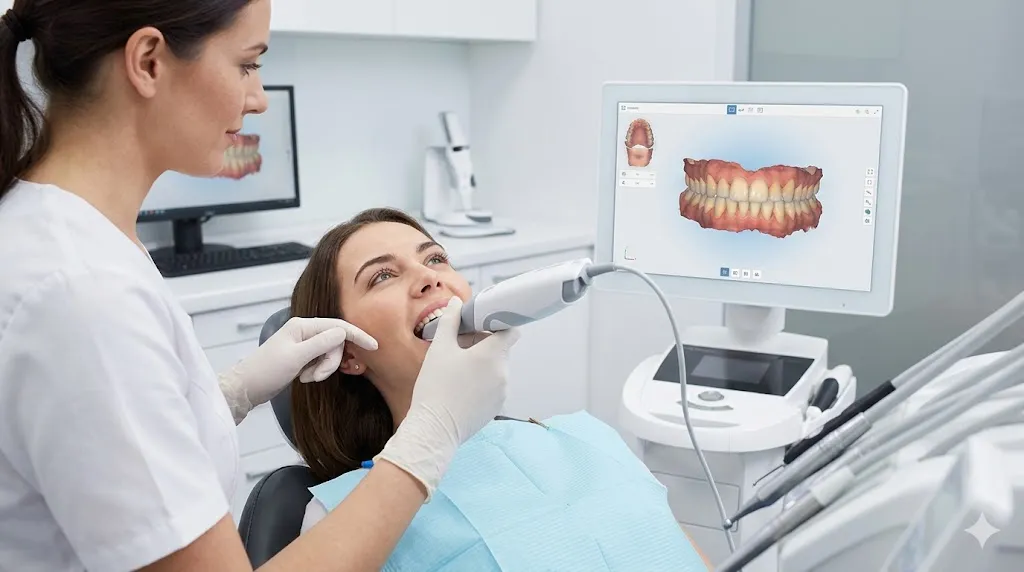
Nausea and the gag reflex at the dentist can be reduced by breathing deeply through your nose, booking an afternoon appointment, having a light snack beforehand, using distractions such as music and agreeing on a stop signal with your dentist. During impressions, when gagging is usually strongest, using digital scanners instead of traditional impression trays largely solves the problem.
- Gagging is a natural reflex that protects the throat from foreign objects.
- Breathing through the mouth can stimulate receptors in the throat.
- Putting a little salt on the tip of the tongue can temporarily stop the reflex.
- Topical numbing sprays can reduce throat sensitivity.
- Discuss these methods with your dentist before trying them.
Sitting in the dentist's chair is already stressful for many people, and when a gag reflex or nausea is added to it, the experience can become quite challenging. Known in medical literature as the "pharyngeal reflex," this is actually a natural defense mechanism the body has developed to protect the throat from foreign objects.
Apart from routine procedures such as fillings and root canal treatment, nausea and the gag reflex at the dentist are usually felt most strongly during impression taking, and this problem can largely be overcome with digital dentistry tools. When impressions are taken with digital devices instead of traditional impression trays, there is minimal intervention inside the mouth. To learn about the digital dentistry methods used at our clinic, you can contact us.

The traditional impression method that can cause nausea at the dentist
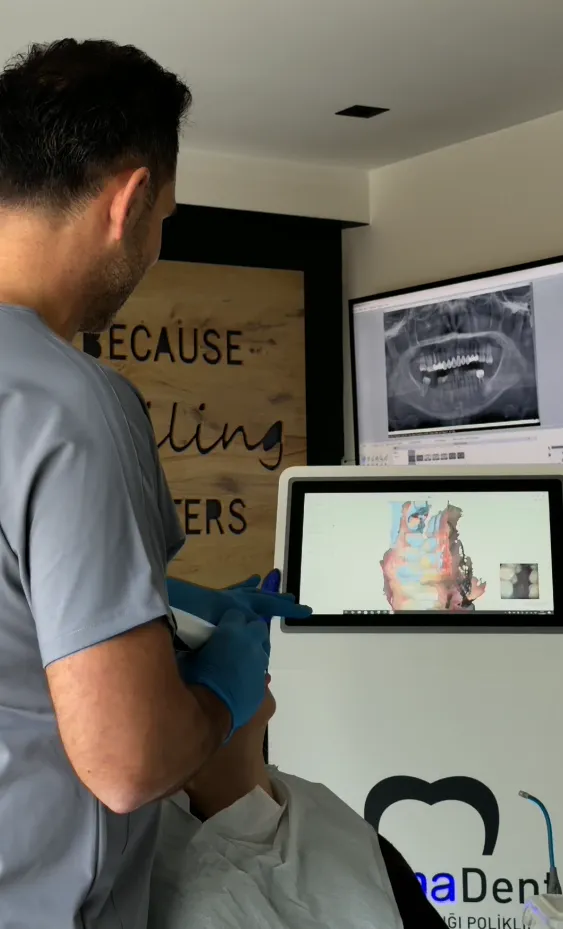
Thanks to digital dentistry, there is no longer any need for traditional impression trays that trigger gagging.
But don't worry; in addition to digital dentistry, it is possible to overcome this problem with a few practical methods and good communication.
Here are effective strategies you can use to prevent nausea and the gag reflex at the dentist:
1. Use the Right Breathing Techniques
One of the biggest triggers of nausea is trying to breathe through the mouth. Breathing with your mouth open can stimulate the receptors at the back of the throat.
-
Breathe Through Your Nose: Focus on breathing deeply and steadily only through your nose throughout the procedure.
-
Keep the Airflow Open: If your nose is congested, you can use a nasal strip before your appointment or, after consulting your doctor, a mild decongestant.
2. Choose Your Appointment Time Strategically
Stomach sensitivity can vary at different times of the day.
-
Avoid Morning Hours: For many people, the gag reflex is more sensitive in the morning. Try booking your appointment in the afternoon.
-
Eat Lightly: Going to your appointment on a completely empty stomach can lower your blood sugar and increase nausea, while going on a very full stomach can create physical pressure. A light snack is best.
3. Focus Your Mind Elsewhere (Distraction)
The brain has difficulty focusing on two strong signals at the same time.
-
Music or Podcasts: Listening to a favorite playlist with noise-canceling headphones drowns out the sound of dental instruments and calms you.
-
Left Leg Exercise: An unusual but effective method: while sitting in the chair, lift your left leg slightly into the air and focus on holding it there. This shifts your brain's focus away from your mouth.
4. Take Advantage of the Salt Trick
Putting a very small amount of salt on the tip of the tongue can temporarily stop the gag reflex in some patients. You can ask your dentist for a little salt or carry a small packet with you.
5. Communicate with Your Dentist
This may be the most important step. Your dentist is used to this situation and knows techniques that can help you:
-
Agree on a Stop Signal: Knowing that the dentist will stop the procedure when you raise your hand reduces the feeling of losing control, and therefore the nausea.
-
Topical Anesthetics: Mild numbing sprays applied to the back of the throat can reduce sensitivity in that area and minimize the gag reflex.
By trying these methods, you can have a more comfortable examination without neglecting your dental health. Remember, this is a biological reaction and it can be managed with professional support. Before trying these methods yourself, you should always evaluate your situation together with your dentist. For any questions about how to prevent the gag reflex and nausea at the dentist, and for appointment requests, you can contact us.